Trapping and eviction removes the animal you have, but it does nothing about the next one. Exclusion is the work of permanently sealing wildlife out of a building, and it's a core specialty our family has focused on since 1998. A Middle Tennessee house has more possible entry points than most owners realize. Wildlife Pros inspects all of them, seals all of them, and rebuilds the damaged sections in materials animals can't easily chew or tear through. Our crew learned carpentry before trapping, and the repairs are finished to blend in with the rest of the house. We stand behind all of our exclusion work with a long-term written guarantee.
"Every repair he did matches the house so well we can't even see where the holes were before."
— Tony P.
A Carpenter's Standard
The Crew at Work
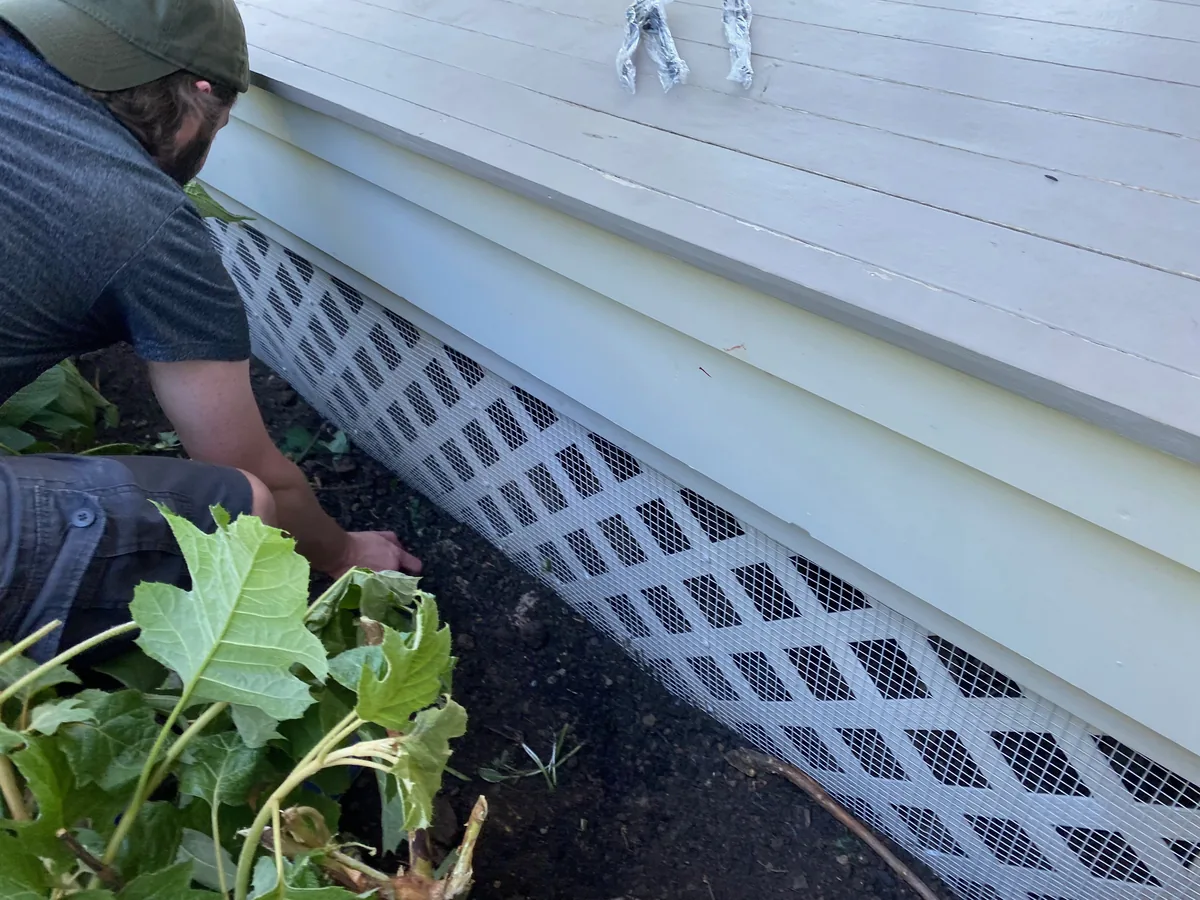
Deck exclusion in progress
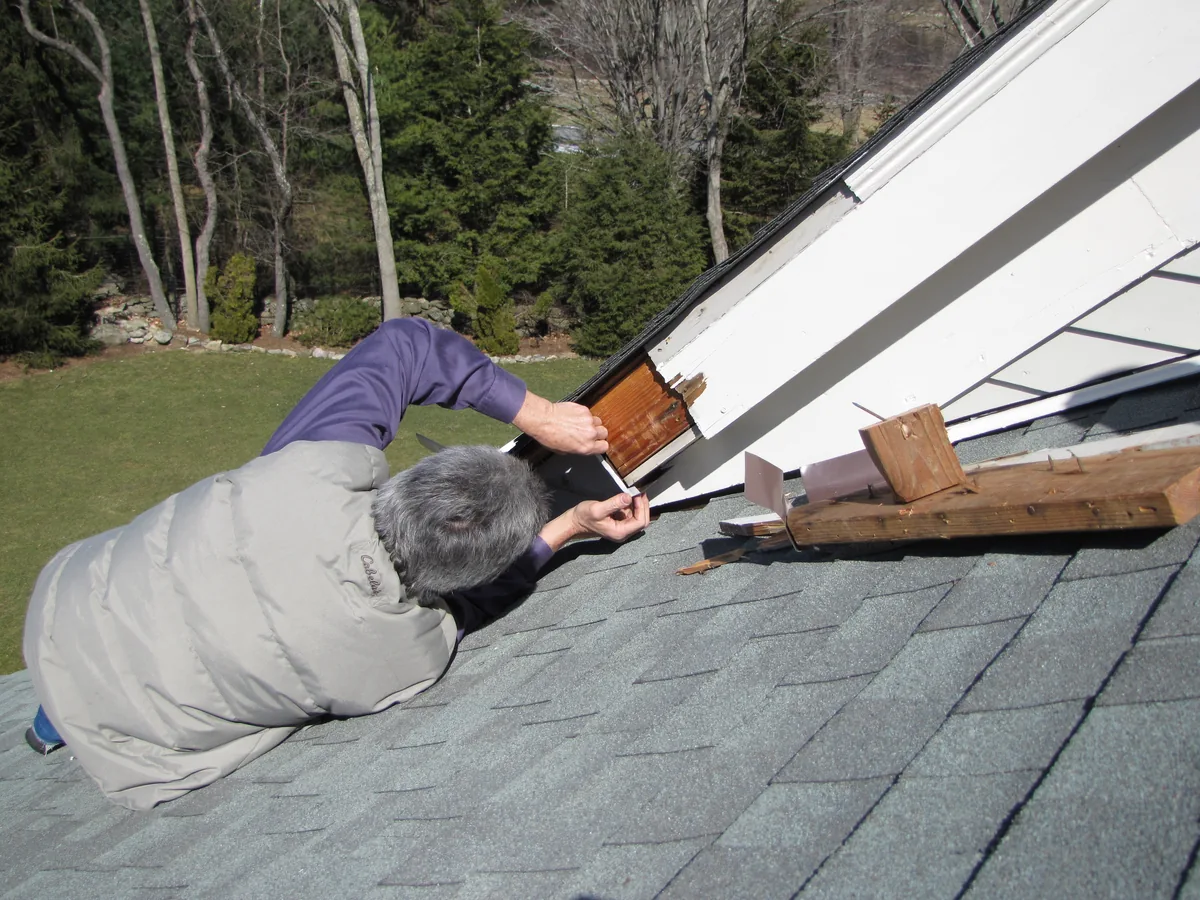
Soffit repair in progress
How We Work
The Full-Home Exclusion Process
1. Analyze. We inspect the entire structure of the home, seeking out not only the areas that animals are using, but areas that they could use if they chose to. That includes ridge vents, gable vents, every run of soffit and fascia, chimney crowns and flashing, plumbing stacks, utility and HVAC penetrations, gutters and downspouts, window wells, garage-door corners, deck and porch skirting, foundation gaps, and every crawlspace vent, hatch, and duct chase leading under the house.
2. Quote with a Firm Price. Once a client decides on the type of exclusion process they prefer, we give a firm quote that does not change after the work begins. The price you sign for is the price you get. If the labor or materials are more than we expected them to be, we eat the difference ourselves.
3. Sealing and Repair. Each opening gets closed with a material the animal can't easily chew or tear through. Additionally, when a full home exclusion is chosen by our clients we also preventively bolster all areas that are vulnerable to future chewing that have not yet opened. Every repair is finished with materials chosen to best match the aesthetics of the home to the fullest extent that is practical. Most of the time our clients say that the work is practically invisible from the ground.
Before & After
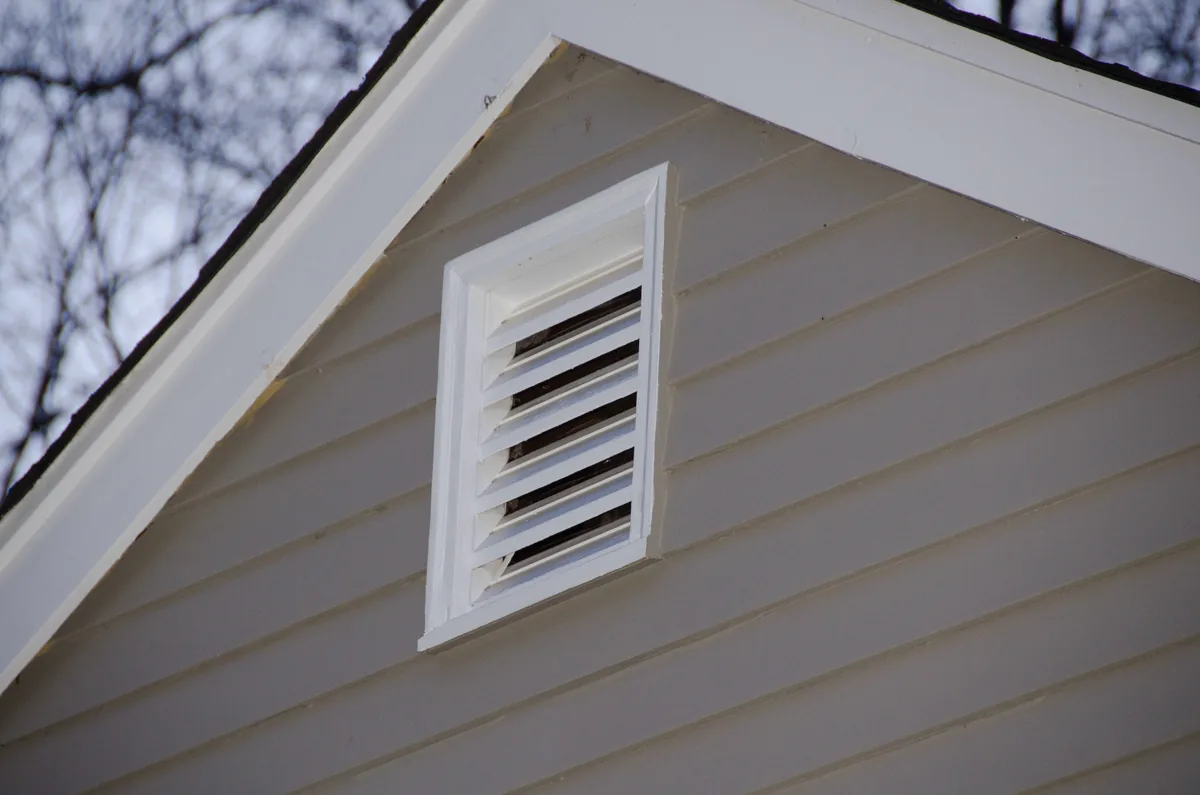
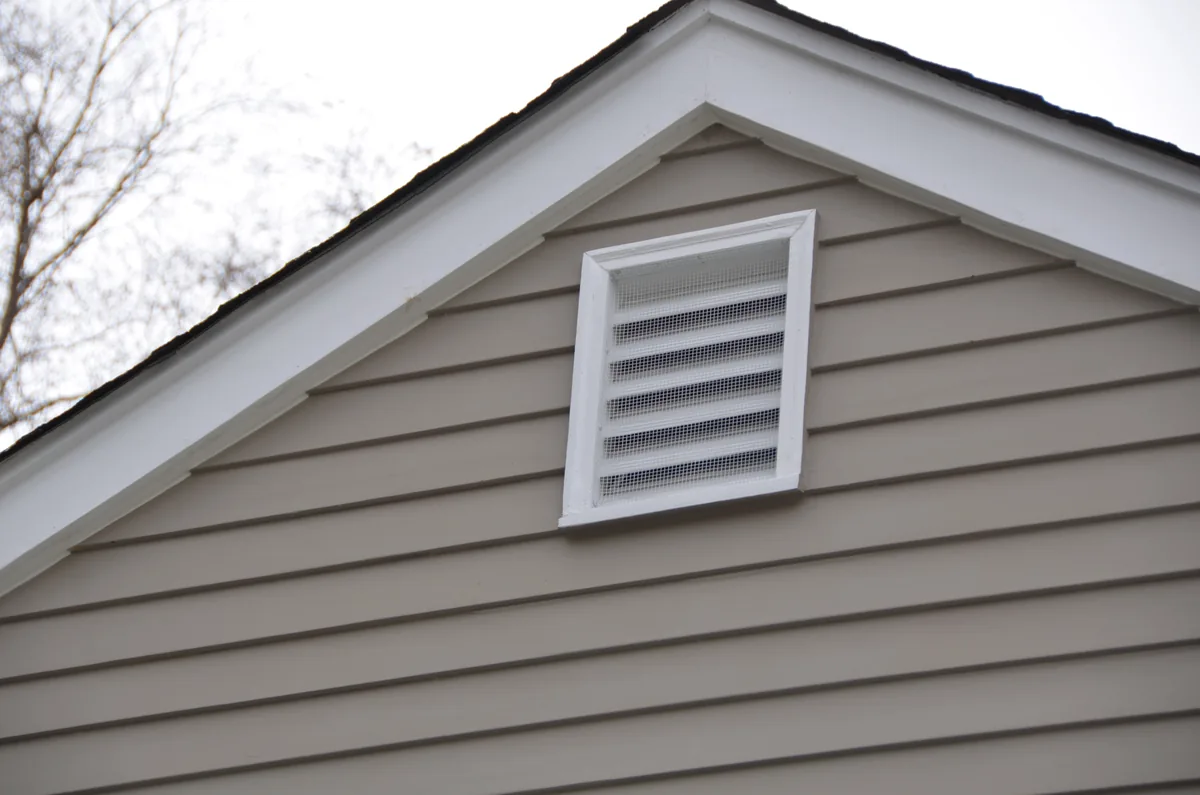
Gable Vent and Fascia, Sealed
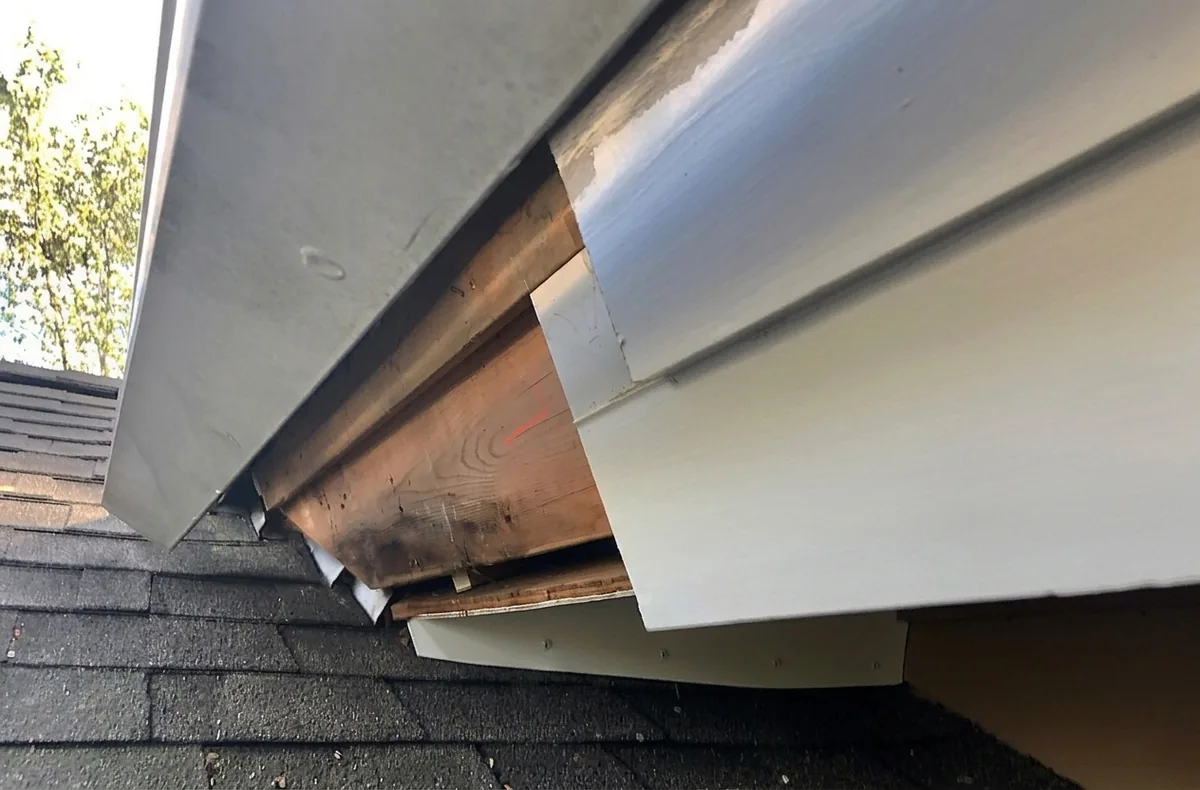
Before
Vent & fascia open
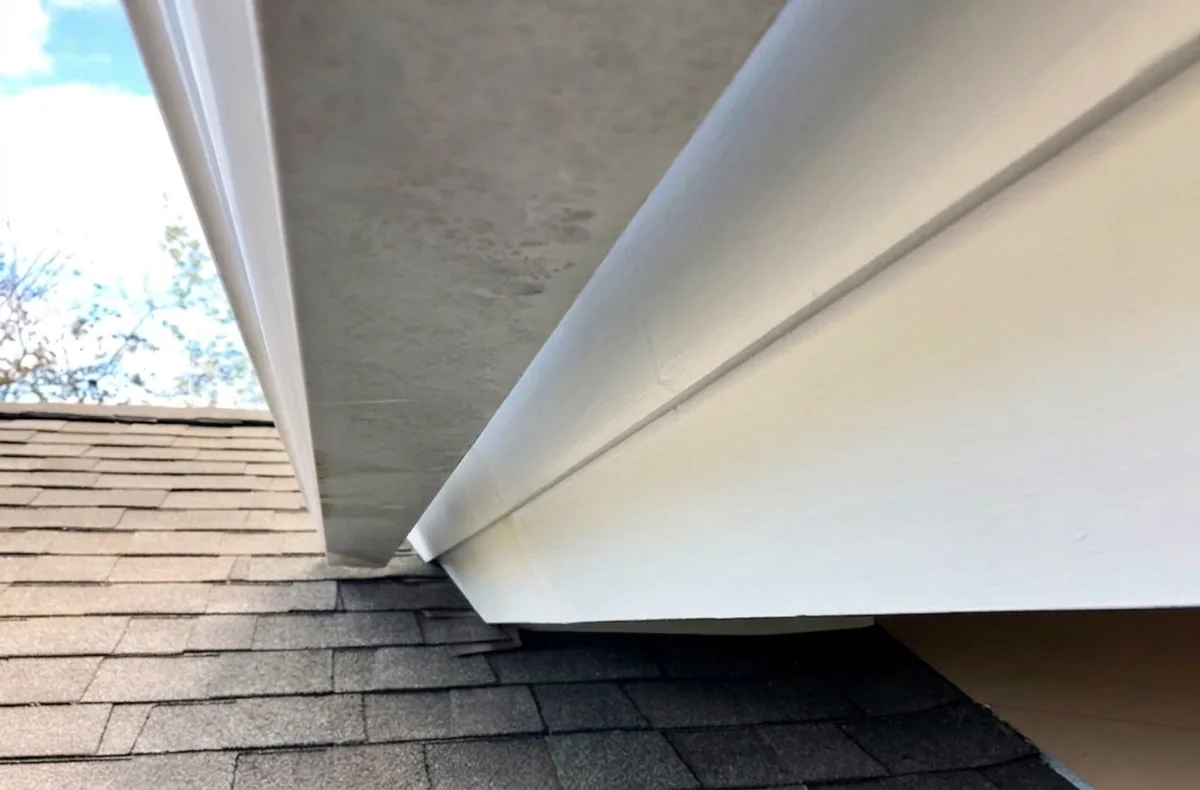
After
Vent & fascia sealed
The Wildlife Pros Difference
What is a Wildlife Exclusion Guarantee?
Most companies in this business use the word "guaranteed." Before hiring anyone for this work, ask the following questions:
How long is your warranty?
Does the warranty cover the whole structure or only the specific holes you sealed?
How long are materials manufacturer warrantied for?
Length. For wildlife work guarantee lengths can vary dramatically. Some companies don't offer a guarantee at all. For the majority of issues we handle, our standard exclusion guarantee is 10 years. We can offer this guarantee because the work is framed, fastened, and flashed correctly, and materials installed that way generally last.
Scope. An exclusion project can either be partial or comprehensive. The decision depends upon the type of animal being excluded, and the budget of the homeowner. Unfortunately many companies aren't clear about this fact. Too often clients unknowingly purchase partial guarantees and when animals break into another area later on they find they don't have the coverage they expected. We walk our clients through their options, and find a solution that works within their price range and desired outcomes. On a comprehensive seal, we guarantee the full structure.
Materials. Two companies can offer the same length guarantee, but if one of them uses materials that are manufacturer warrantied for 2 years, and another for 20 years, there is a large difference in the durability you can expect to receive from the work itself. Our sealants are manufacturer warrantied for 50+ years and we always choose materials we can stand behind.
Before & After
Soffit Flashing, Repaired and Sealed
Before
Destroyed soffits
After
Soffit repaired
Real Estate
Wildlife Inspection for Home Sale or Purchase
Wildlife problems change owners with the house more often than most buyers expect. A general home inspector works a checklist built around plumbing, panels, and foundations. Many of them are oblivious to animal issues, and regularly mistake bat and flying squirrel droppings for mouse droppings. Many sellers choose to leave previous animal issues off of disclosure forms, so long as they "took care of it." Unfortunately many buyers find out too late that the methods the seller used to solve the problem were temporary in nature, when the animals return several months after the close.
A wildlife inspection from us seeks to answer two questions:
Does this house have an animal infestation currently?
Is there evidence that the seller had an animal issue previously that they haven't disclosed?
If the report turns up signs of a previous or current animal issue, we can quote a price to solve it once and for all. If the report turns up signs of contamination, our Attic & Crawl Space Cleaning crew remediates it and documents the work for closing.
When This Is Needed
Do All Animal Issues Need Exclusion Work?
In our experience the only lasting way to keep animals out of structures is with detailed and rigorous exclusion. The scope of the exclusion depends upon the type of animals being prevented, the amount of the structure that is vulnerable, and the client’s budget and goals for the project.
Finding the balance among these factors is not always easy. For example, bats can enter a home through tiny gaps that your pinky tip can get into. But since those holes are so small, it means that besides what is open today, new holes are almost certain to continue opening up over time.
Homeowners need to decide whether to only pay a company to seal what is open at this moment, reducing costs but limiting the guarantee, or to have a company also fortify areas that are not yet open but vulnerable to opening with time. Expanding the scope increases costs but also dramatically increases the guarantee. The bats are likely to stay in the area after eviction, and may periodically attempt to enter their old roosting spots again. Some clients prefer the long-term peace of mind and opt for a full structure exclusion guarantee.
Another example is squirrels. Both gray squirrels and flying squirrels are excellent chewers. When a client removes squirrels from their home they need to decide whether they will have the company only seal the open areas, or also seal the areas that are vulnerable to future chewing. How extensive the scope ends up being is a collaborative decision between the client and the wildlife exclusion professional.
When dealing with birds, because they can’t chew and need slightly larger gaps than bats, the scope is typically more limited than either squirrels or bats. However, clients need to decide if they want to prevent the birds from roosting on top of the structure, or simply prevent them from entering into the attics, soffits, and vents. That decision can dramatically alter the scope.
When the animal present is groundhogs, the only areas that truly qualify for exclusion are the structures they are living underneath, as yard holes cannot be adequately excluded, only treated with deterrents. When groundhogs are living in the yard exclusively, this adds another layer of complexity compared to a standard structural exclusion.
Each case is unique, and the final decision of how to proceed rests with the homeowner. A competent and skilled professional will educate their clients on the full spectrum of options and make sure they know exactly what they are paying for.
What Customers Say
Wildlife Exclusion Reviews
"We had three different animals get into the attic in five years, and after the third one we brought Austin in to seal the house and put an end to it. He showed us more than two dozen openings. Every repair he did matches the house so well we can't even see where the holes were before. It has been silent for several years now."
Tony P.
"We scheduled them for a bat exclusion prior to listing our house. Months later the buyer's inspector went over the entire roofline and had no findings. They signed off that the exclusion work was done better than they'd seen, and the sale went through without any issues."
It depends on what the inspection finds. The main factors are the square footage we're protecting, the number of openings, and whether any of them involve rebuilding chewed or rotted wood rather than simply sealing a gap. You'll have a firm quote before any work begins.
Yes. Any point we seal carries our written guarantee. If an animal gets back in through our work, the repair visit is free. The comprehensive whole-home option extends that coverage from a list of points to the structure itself. We walk you through the details before you sign.
We do both, and we'll tell you honestly which one your situation calls for. A first-time, single-entry problem can sometimes be handled with a targeted repair. At a minimum all of the holes that are big enough for animal entry now need to be sealed. For chewing animals more preventive work is required. For recurring issues, full exclusion is usually the better path over time. For animals like bats, we only recommend comprehensive full-home seals.
The carpentry side, yes. We seal and rebuild in every season. Eviction timing depends on the species. Bats, for example, can't be forced out during Tennessee's summer maternity season, and all removals are handled humanely and in accordance with Tennessee Wildlife Resources Agency regulations. When a species is off-limits, we can stage the preliminary sealing so the eviction can start as soon as the season allows.
Yes. We inspect for both buyers and sellers. You receive a full report covering the attic, crawlspace, and exterior.
CASE STUDY #1
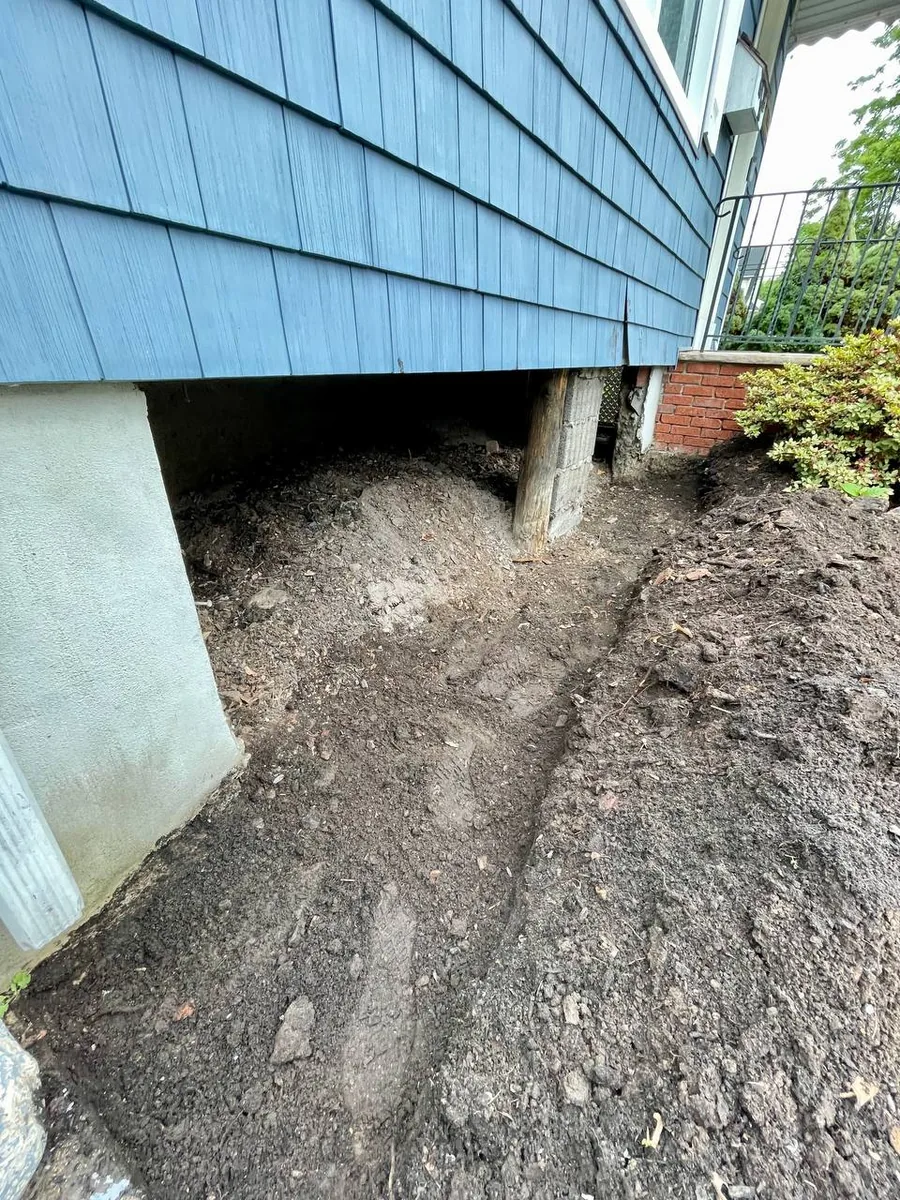
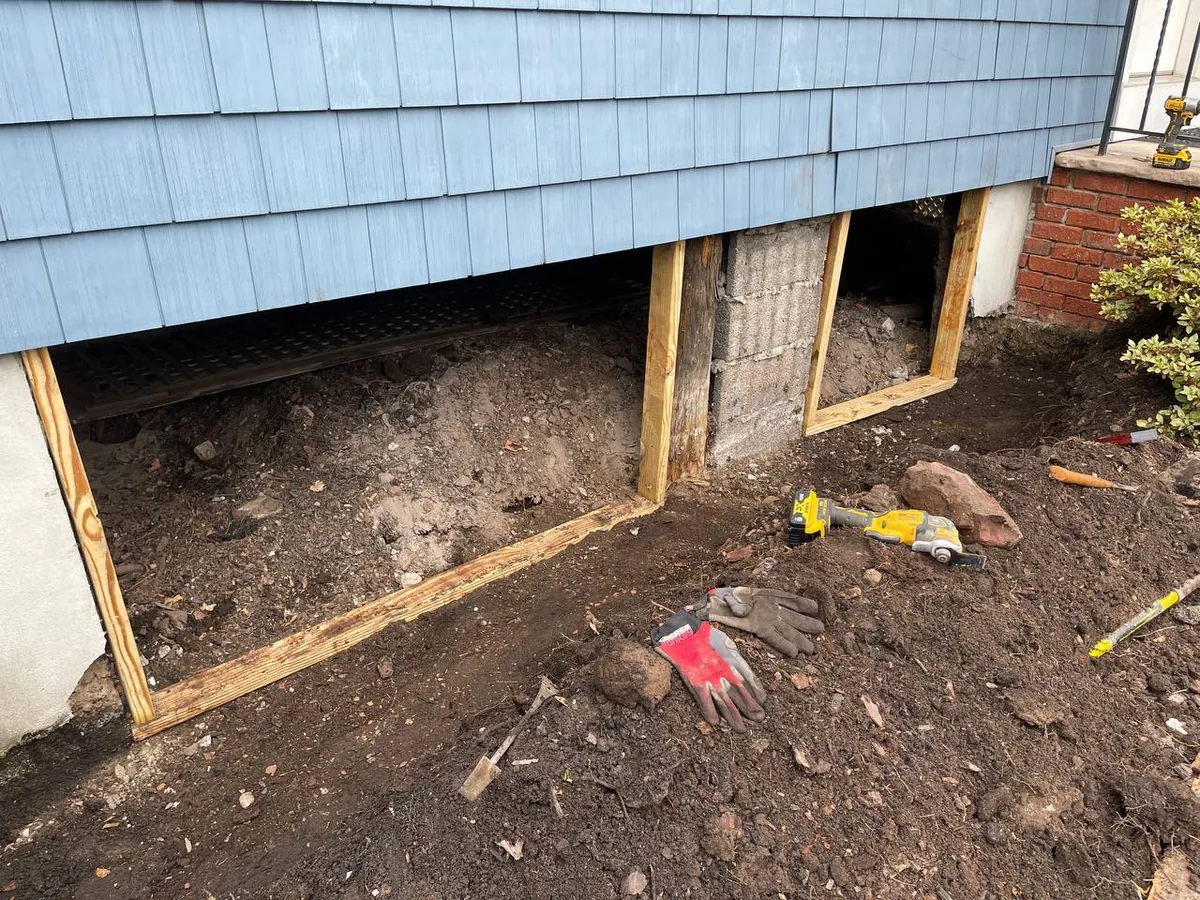
Skunks Under the Crawl Space
Trench dug
Framing installed
Barriers installed
Lattice Re-installed
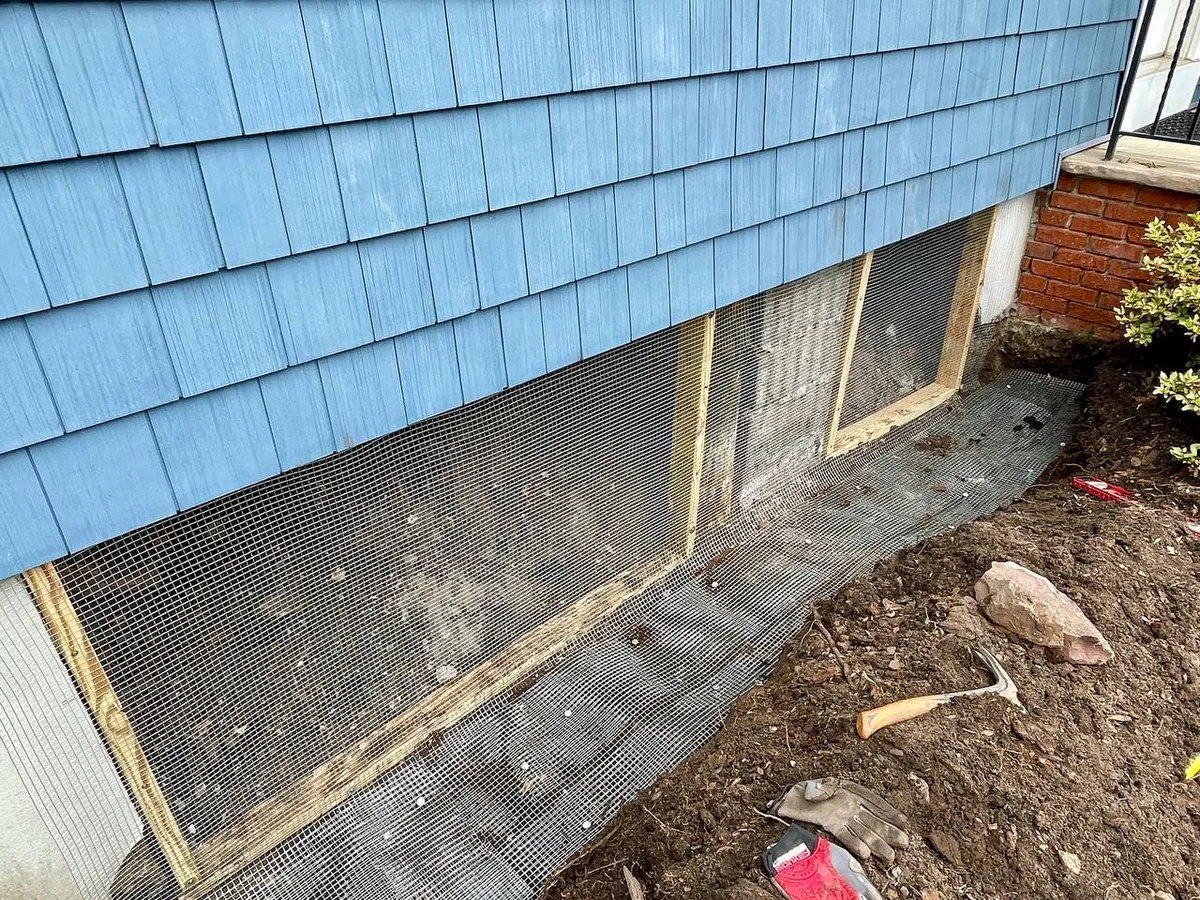
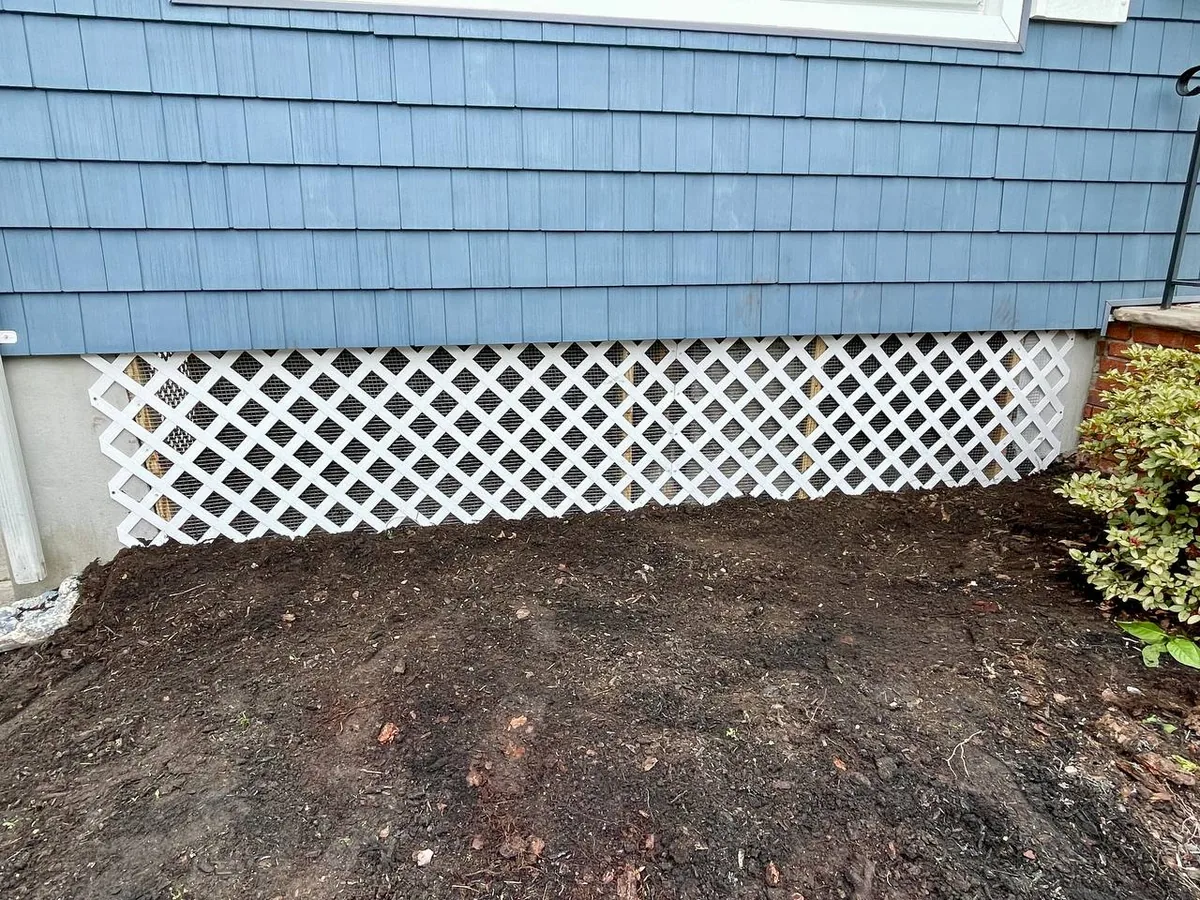
A homeowner had skunks periodically living under her crawl space. They had repeatedly dug underneath and broken through the old lattice that was present. At the time she hired us they were not under the crawl space, and she wanted it repaired before they came back the next season. To repair we first removed the old and broken lattice and dug a large trench outside the two major crawlspace openings. Next we built wood framing and anchored it to support our wire barriers. After the framing was installed we put into place wire barriers to protect not only the openings themselves, but also the bottom of the trench to prevent burrowing. Finally, we installed lattice in front of the wiring and filled the trench back in and raked it.
CASE STUDY #2
Raccoons Through the Roof Vent
Before
Destroyed roof fan
After
Roof fan replaced & sealed
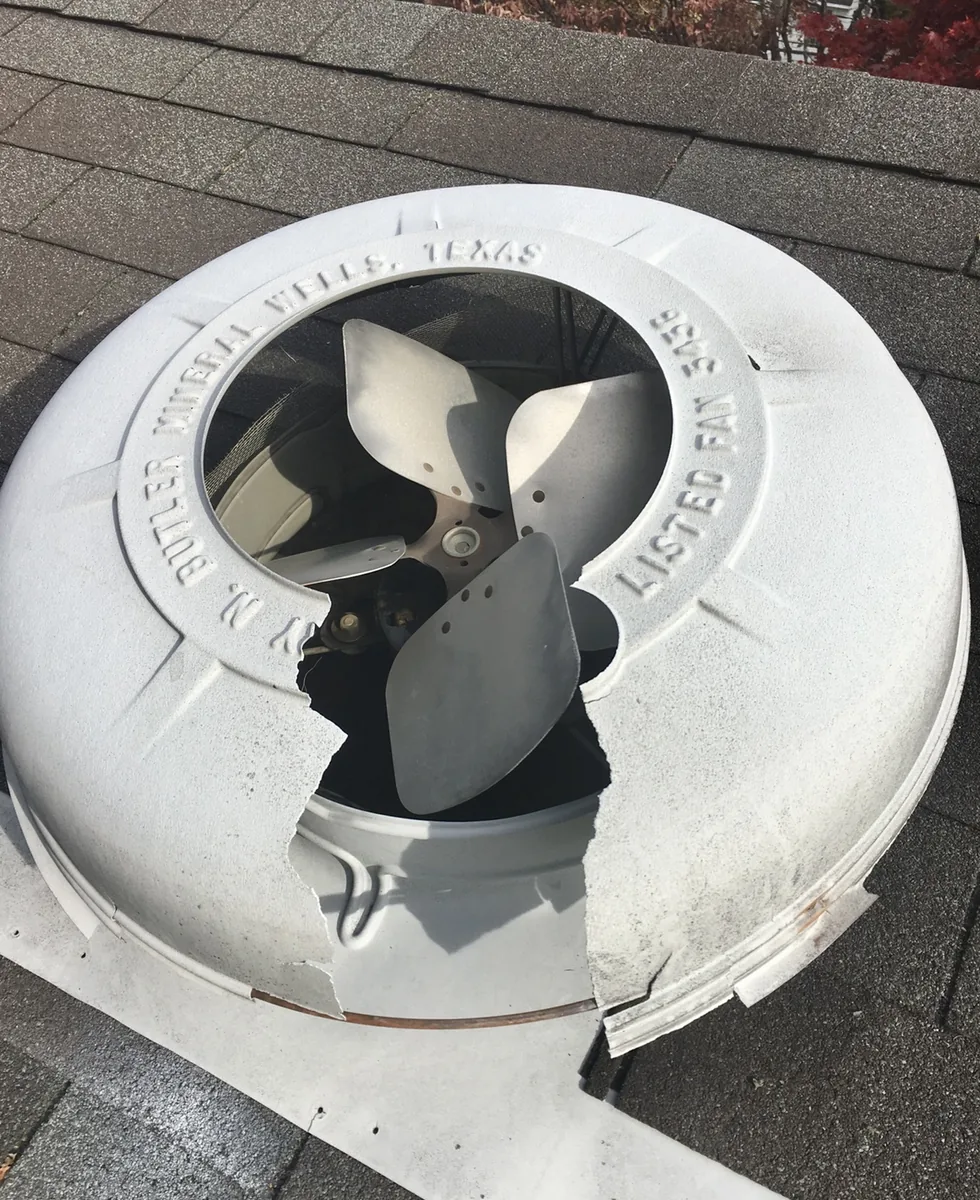
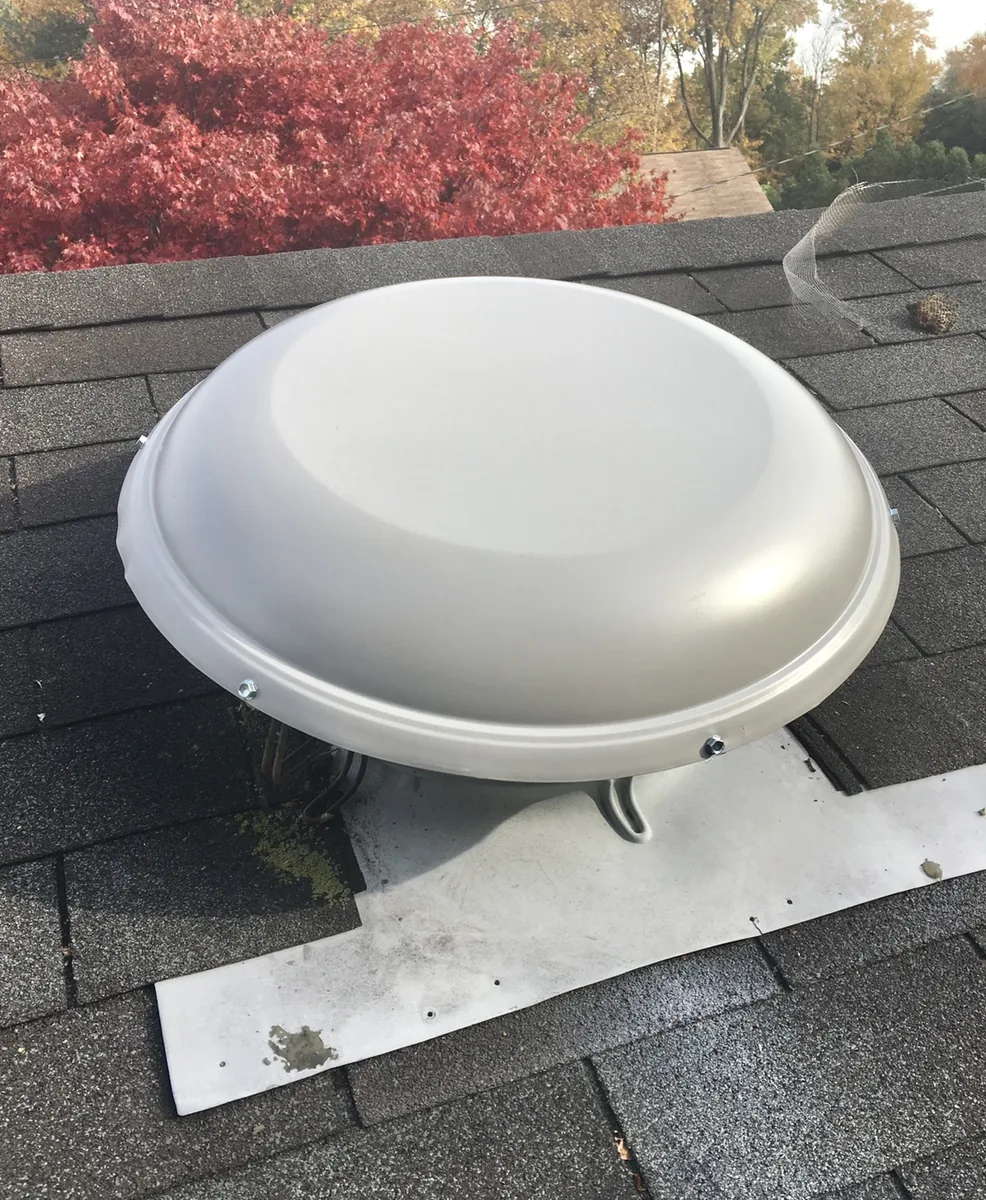
Our clients had a family of raccoons inside their attic. They had broken through the roof vent and completely destroyed it. Since the roof vent was not a good spot for evicting, we opened a hole elsewhere to evict them from, ensuring it was easy for them to find. We then temporarily closed the roof vent. We monitored on camera closely that night to be certain they found and exited through the new opening where we had installed the eviction devices. After waiting several days, we installed a new vent and sealed it internally so that they could not get into the attic this way again in the future.
Browse the full Photo Gallery for more before-and-after exclusion projects across Middle Tennessee.
More than 25 years of family experience across three regions of the country. Five stars on Google. Austin Jahner has been featured on CBS News in New York and ABC News in Philadelphia.
Craftsmanship
Methods created by a master carpenter. Lasting materials chosen for each home's aesthetics. Manufacturer-warranty of 50+ years on sealants.
Transparency
Up-front pricing. No additional costs or charges. Every client receives a detailed explanation of the steps required to solve their problem.
Guarantee
10-year written guarantee on our exclusion work. If an animal gets back in through something we sealed, we fix it free. Industry-leading guarantee length and scope.
Method
Humane eviction and exclusion is always the first option. Humane trapping when required. Mothers and their young stay together, orphans go to licensed wildlife rehabilitators. No poisons.