Mice and rats can squeeze into a home through gaps most people would never notice, and Middle Tennessee's mild winters keep them active year-round. Most pest control companies manage rodents with poison and a recurring monthly contract. Wildlife Pros solves the problem at its source instead. We provide humane rodent removal for homes and businesses across the six-county Nashville region: trapping to clear the rodents already inside, whole-home rodent-proofing with materials they can't chew through, and bacterial cleanup once the animals are gone. We do not use poison, and we do not sell monthly contracts.
"His work was completely successful and we had our first quiet winter in 5 years."
— John N.
How We Work
Our Rodent Control Process
1. Full Home Inspection. Most Middle Tennessee homes sit on crawl spaces, and that is often where rodents get in. However, the roofline gets the same scrutiny as the foundation, because mice and rats climb siding, brick, and utility wiring with ease. If a pencil fits through an opening, a mouse generally can too. We map the openings and vulnerable areas and create a comprehensive plan for preventing their entrance.
2. Trap the Infestation. The current infestation needs to be trapped with a focused and targeted trapping program. Any mice that are left behind can rapidly reproduce so it is important to be thorough. Although lethal trapping is typically required, the most humane form of this is guaranteed kill traps that euthanize the animals quickly and painlessly. We never use poison or glue boards, as these are inhumane and cruel.
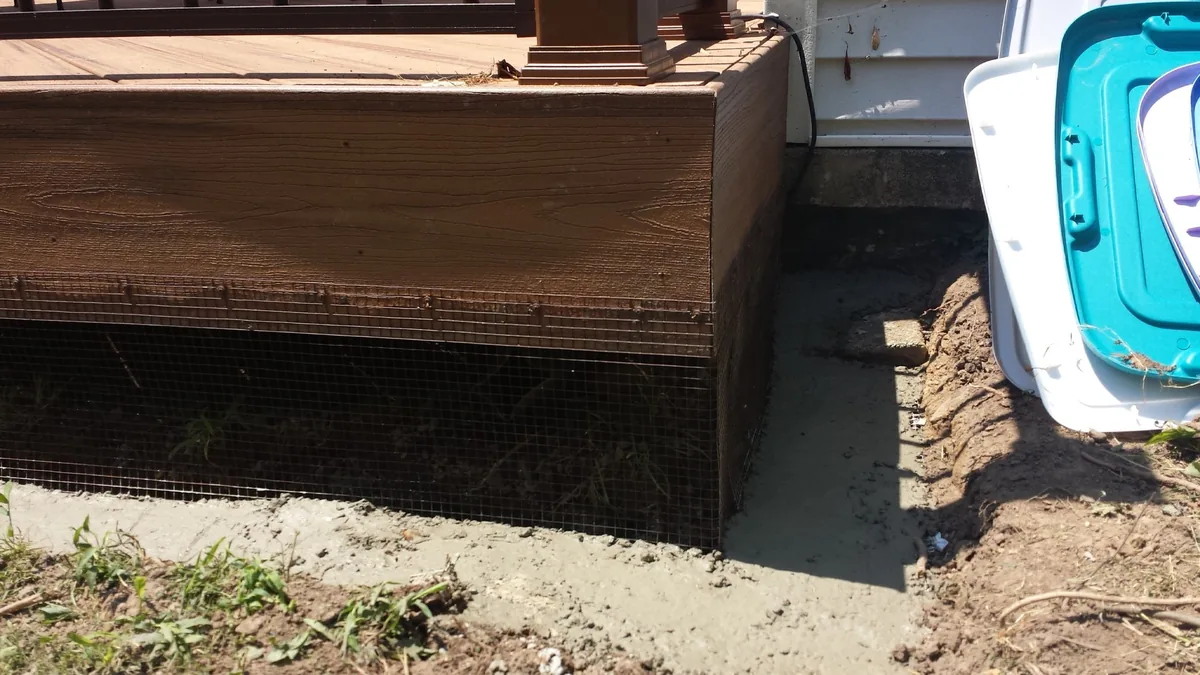
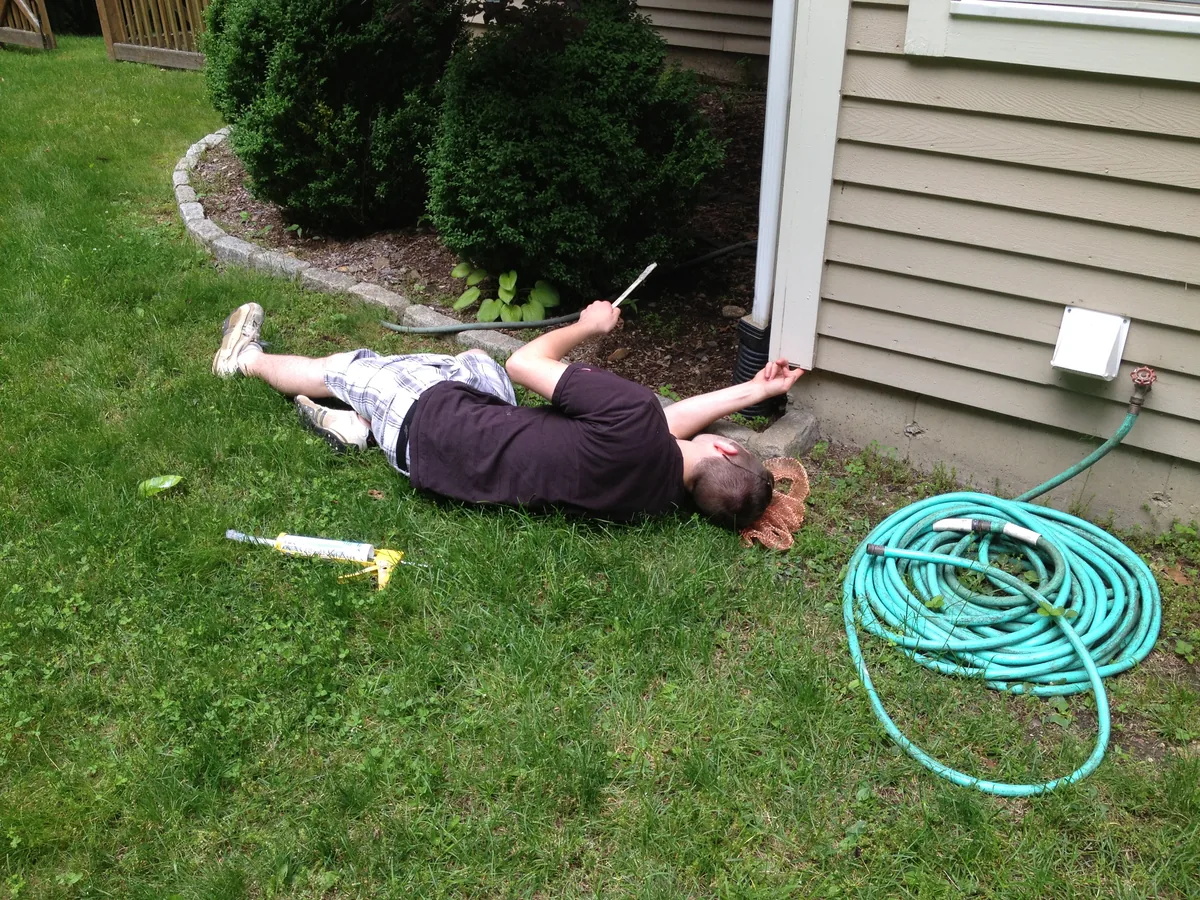
3. Rodent-proofing.Sealing the whole home dramatically reduces the odds of future mice and rats gaining access. Every crack, hole and gap gets closed with fitted metal, galvanized mesh, and masonry-grade sealants, materials rodents can't chew through. Areas that are vulnerable to chewing are fortified. And in most cases, underground barriers are installed to prevent burrowing. The repairs are installed to a carpenter's standard and finished to blend into the house.
4. Cleaning. Rodent droppings shouldn't be swept or vacuumed with household equipment. The dust they give off can be hazardous if inhaled. Once trapping is completed, we offer bacterial mitigation to neutralize and remove waste and bacteria when needed.
5. Monitoring. Since mice can occasionally get in through areas that are not able to be sealed (garage doors, sewage lines, etc.) traps are left behind in key areas to catch any stragglers who find a way in. Ongoing monitoring is also offered.
Our Rodent Work
Photos from Recent Jobs
Rat-proofing deck
Sealing foundation for mice
Case Study: Mice in the Pantry
A family in an older ranch home had been on a quarterly pest contract for years. Bait boxes filled with poison sat around the foundation, a bad smell showed up in a hallway wall most winters, and mice came back to the pantry every fall. The issue had gotten particularly bad this winter and mice had even been seen running through the living room and bedrooms at night. Our inspection found crawl-space vent screens rusted through, gaps where the AC line set entered the house, and tunneling near the foundation. We sealed all openings and installed barriers to prevent further digging. Over the following two weeks we trapped out all of the interior mice, and fully sanitized the pantry and cabinet voids. They cancelled the pest control contract, and the mice did not come back the following fall.
Avoiding Cruel Methods
Why We Don't Use Poison
Inhumane. Most modern rodenticides are anticoagulants, which stop the blood from clotting. This causes internal bleeding and organ failure that can last for 5 to 10 days before they die. Other types of poison target the central nervous system and cause brain swelling. Others calcify soft tissues, leading to intense physical distress.
Non-Target Deaths. A poisoned mouse that wanders outside can become a meal for owls, hawks, foxes, etc. This is particularly dangerous for birds of prey who eat many mice over their lifetime. Additionally, the poison left out by pest control companies can sometimes be found and eaten by family pets and children, which can create an emergency situation that at times ends in tragedy.
Odor in Walls. Poisoned rodents often do not leave the house to die. They tuck into a wall cavity, a duct run, or the insulation under the floor, and the smell can last for weeks. Getting the carcass out means finding it first, then cutting into the walls to retrieve it. We receive calls about this service all the time, and there is almost always an exterminator's poison somewhere on the property.
Why We Don't Use Glue Traps
Inhumane. Glue traps are just as cruel and inhumane as poison. A terrified animal that is captured on a glue trap will twist and contort in the process of trying to escape, mangling and injuring its limbs. In the process they rip off their own skin, fur, and feathers, and break their own bones. Some even chew off their own limbs in a desperate attempt to escape.
Animals often become stuck face-down, getting their mouths and noses stuck in adhesive, which leads to a slow suffocation over many hours. Others endure days of agonizing starvation, dehydration, and exposure.
Non-Target Deaths. The sticky surface catches any small creature that wanders across it, including domestic pets like cats, as well as birds, reptiles, and amphibians. They are indiscriminate in their barbaric torture of animals.
Common Species
The Mice & Rats of Middle Tennessee
House mouse. This is the species behind most kitchen calls. House mice live indoors full time when they can, in wall voids, cabinet backs, and attics. They breed year-round, producing several litters a year. Because of the rapid breeding, mouse problems should always be addressed early when they are easiest to contain.
Field mouse. The term field mouse describes several types of small rodents. In Middle Tennessee it is typically referring to white-footed mice and deer mice, outdoor rodents that move into garages, crawl spaces, and outbuildings when the weather turns colder. Deer mice are primary carriers of hantavirus, and the dust of their droppings is dangerous when inhaled. Never sweep or vacuum mouse droppings, regardless of which species of mouse you have. Cleanup calls for containment and proper equipment, and extensive issues should be handled by trained professionals.
Norway rat. The Norway rat is a ground-level rat and a heavy burrower. It digs along foundations, follows sewer and utility lines, and shows up in basements, crawl spaces, and the older commercial blocks around the Nashville metro area. Norway rats are more wary than mice. Clearing them takes patience and precise trap placement, which is why store-bought trapping often fails against them. They are fast learners and quickly adapt and avoid traps, so it takes experience, persistence, and a degree of creative thinking to fully clear a colony.
Roof rat. Middle Tennessee has a roof rat population. The roof rat is a slim, agile climber that reaches attics by way of tree limbs, fence tops, and utility lines, and it nests overhead rather than underground. Be careful with the self-diagnosis, though. Scratching over the ceiling after dark in this region is just as often flying squirrels, which our Squirrel Removal page covers, and a rustle inside a gable end at dusk can be bats, which are a different type of job entirely. See Bat Removal. Identification comes first, because the species involved determines the approach and solution.
Health Risks
Are Mice in the House Dangerous?
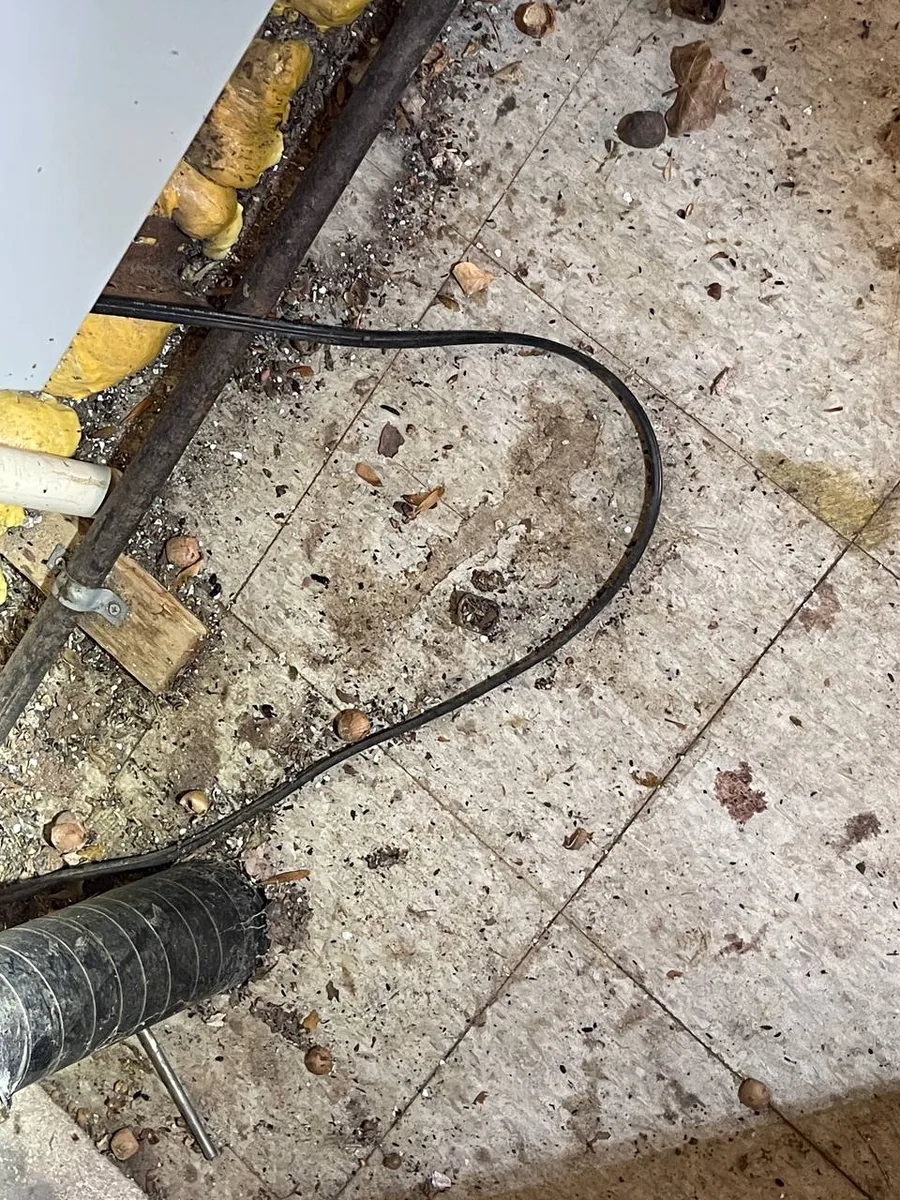
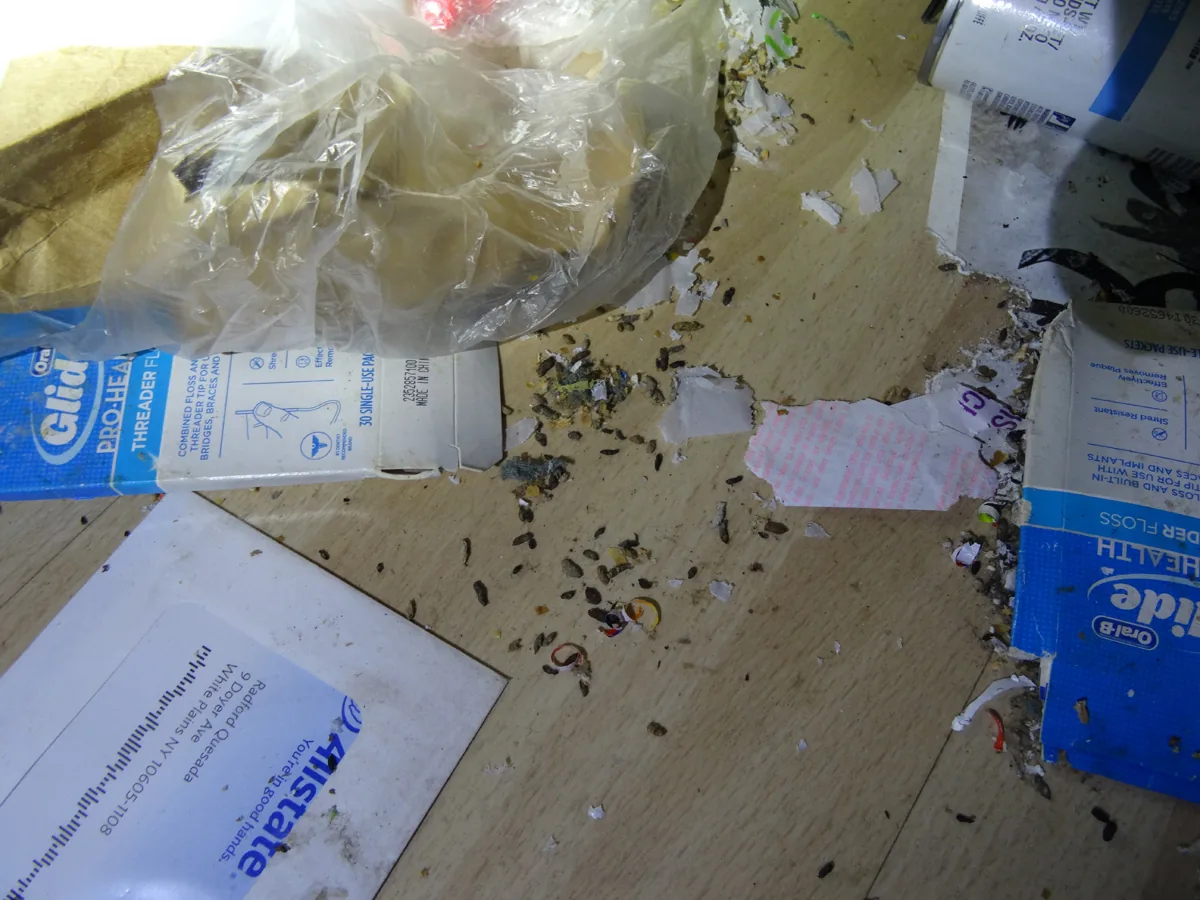
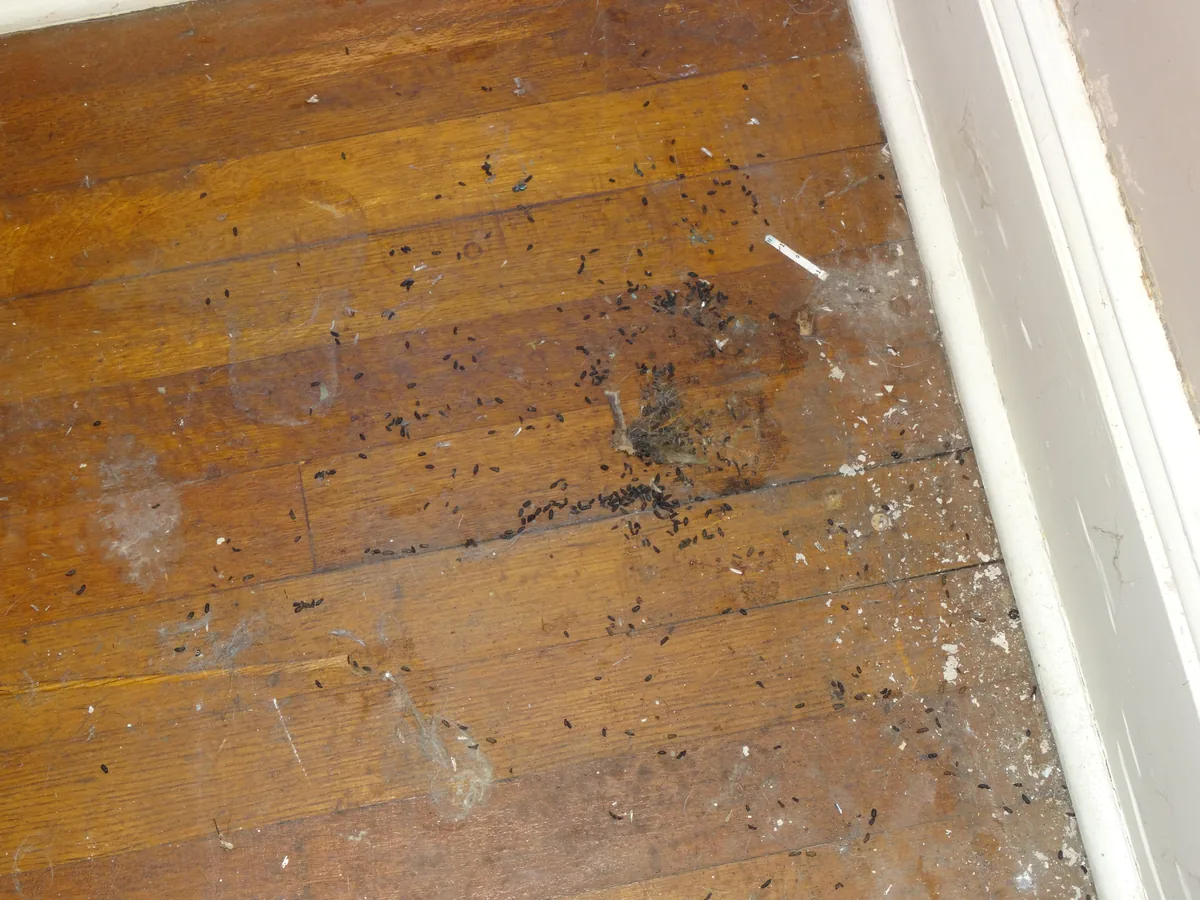
Disease. Rodents contaminate far more food and material than they actually eat. A single mouse leaves dozens of droppings a day, across counters, in drawers, through the pantry, and down in the insulation. Rodent waste can carry hantavirus, salmonella, and leptospirosis. By the time you're seeing droppings in the kitchen, there are usually far more behind the walls.
Allergens. Additionally, proteins in rodent urine and dander are a well-documented asthma trigger. These allergens are often hardest on kids, and the way many Middle Tennessee homes are built spreads the problem. In a crawl-space home, the HVAC ducts run right through the space the mice are living in, and air handlers pull from it. Air from a contaminated crawl space can end up in your living space.
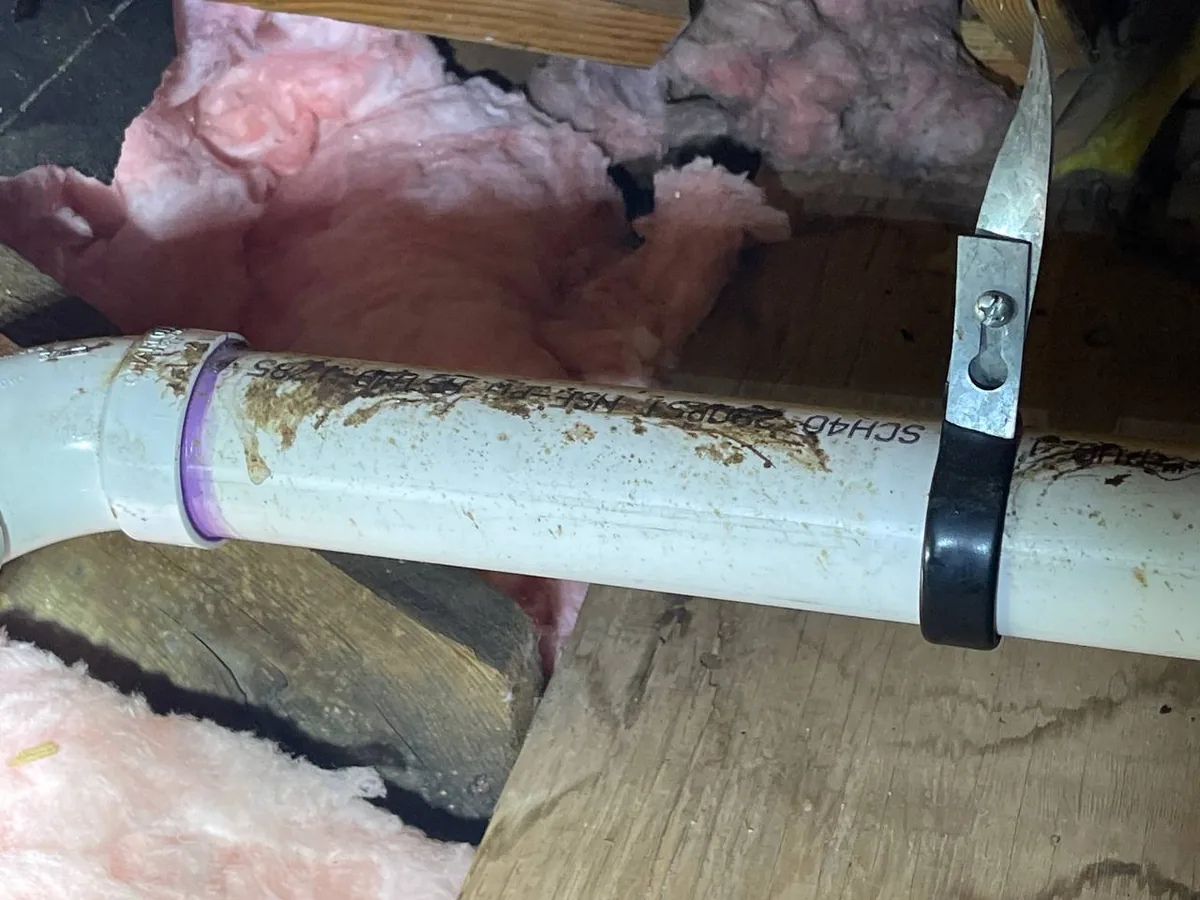
Chew Damage. Rodent teeth grow continuously, so they gnaw regularly to keep them trimmed. This can lead to electrical wiring being stripped bare inside walls and attics, which can create a fire risk. PVC water lines can be gnawed open until they leak, and insulation often gets shredded into nesting material. Heavily fouled attics and crawl spaces need more than trapping. Our Attic & Crawl Space Cleaning service handles full decontamination, waste removal, and insulation replacement.
What Customers Say
Rodent Control Reviews
"We'd been on a subscription pest plan for years but kept getting mice in the living room and kitchen at night. We finally called in reinforcements. Austin's crew sealed my sill plate and installed a barrier underground to stop the mice from digging. They also did extensive trapping to clear the current infestation and get ahead of the reproductive cycle. His work was completely successful and we had our first quiet winter in 5 years."
John N.
"It's embarrassing to admit but we had a very bad rat problem. The clutter in our house was making it worse but once the rats started coming into the living space I was too afraid of the bacteria to clean it. It felt hopeless until we talked to Austin. He came in quickly to trap the rats, and his team sealed the outside and did a full cleaning of the interior. He gave us our sanity back."
Kristen B.
Common Questions
Rodent Control FAQ
Poison kills mice in a slow and painful way, leaves rodents dead in your walls, and can harm and even kill other wildlife, as well as pets and children. Poison will also never solve the problem, and will require constant subscriptions and maintenance for the rest of your life. In order to get a handle on mouse and rat problems in a sustainable way, all potential entry points must be sealed, and the entire current colony must be trapped.
Every current and potential entry point needs to be sealed, and the entire current infestation must be trapped to put an end to the cycle of reproduction. It is important to be clear that even the most perfectly sealed house may never be 100% rodent free, as occasionally determined rodents can enter through sewage lines, open garage doors, and other areas that can not be completely sealed. However, with proper sealing mice can become a rare and occasional nuisance rather than a persistent problem and health risk.
For safety reasons, all mouse droppings should be assumed to be infected with hantavirus. This virus is incredibly dangerous, and can be fatal in many cases if the dust of infected droppings is inhaled or ingested. Extensive issues should always be handled by trained professionals, and in these cases DIY cleaning is strongly discouraged.
For minor problems, such as a few scattered droppings in a garage or cabinet, the most important guidelines are to wear full safety gear (respirator, gloves, etc.) and to never sweep or vacuum the droppings. Rather, they should be sprayed down with a 1 to 10 bleach to water solution before being wiped up and disposed of.
Every home requires a customized solution. After an initial phone consultation, if we believe our services are what your home needs, we will arrange an inspection and provide a customized quote that covers the full sealing and trapping program. Once the infestation is clear, the extent of damages and contamination is assessed to determine if cleaning and restoration services are required.
A trained professional will check the droppings first, to determine whether mice or rats are present. Mouse droppings are about the size of a grain of rice. A rat's are several times larger, closer to a bean. If this is inconclusive, camera monitoring is at times required, and a camera is placed to watch a plate of food that is left in an area the rodents are using.
Sealing a typical home takes about a week or less, and the interior trap-out usually takes 2 to 3 weeks depending upon its severity. The bigger the population when we start, the longer we will need to trap. After that, the seal does the permanent work in dramatically reducing and in many cases eliminating the problem fully. Businesses and older buildings will sometimes keep monitoring services in place and receive once per year checkups.
It's possible, but in Middle Tennessee there are several animals that create noise in the attic. Flying squirrels are abundant here as well, and are mouse-sized, strictly nocturnal, and behind a large number of the "mice we could never catch" stories that homeowners tell us. Bats can also make scratching noises on occasion. It is important before deciding on a method for solving the problem to have a thorough diagnostic done to make sure the correct species of animal is being addressed.
More than 25 years of family experience across three regions of the country. Five stars on Google. Austin Jahner has been featured on CBS News in New York and ABC News in Philadelphia.
Craftsmanship
Methods created by a master carpenter. Lasting materials chosen for each home's aesthetics. Manufacturer-warranty of 50+ years on sealants.
Transparency
Up-front pricing. No additional costs or charges. Every client receives a detailed explanation of the steps required to solve their problem.
Guarantee
10-year written guarantee on our exclusion work. If an animal gets back in through something we sealed, we fix it free. Industry-leading guarantee length and scope.
Method
Humane eviction and exclusion is always the first option. Humane trapping when required. Mothers and their young stay together, orphans go to licensed wildlife rehabilitators. No poisons.