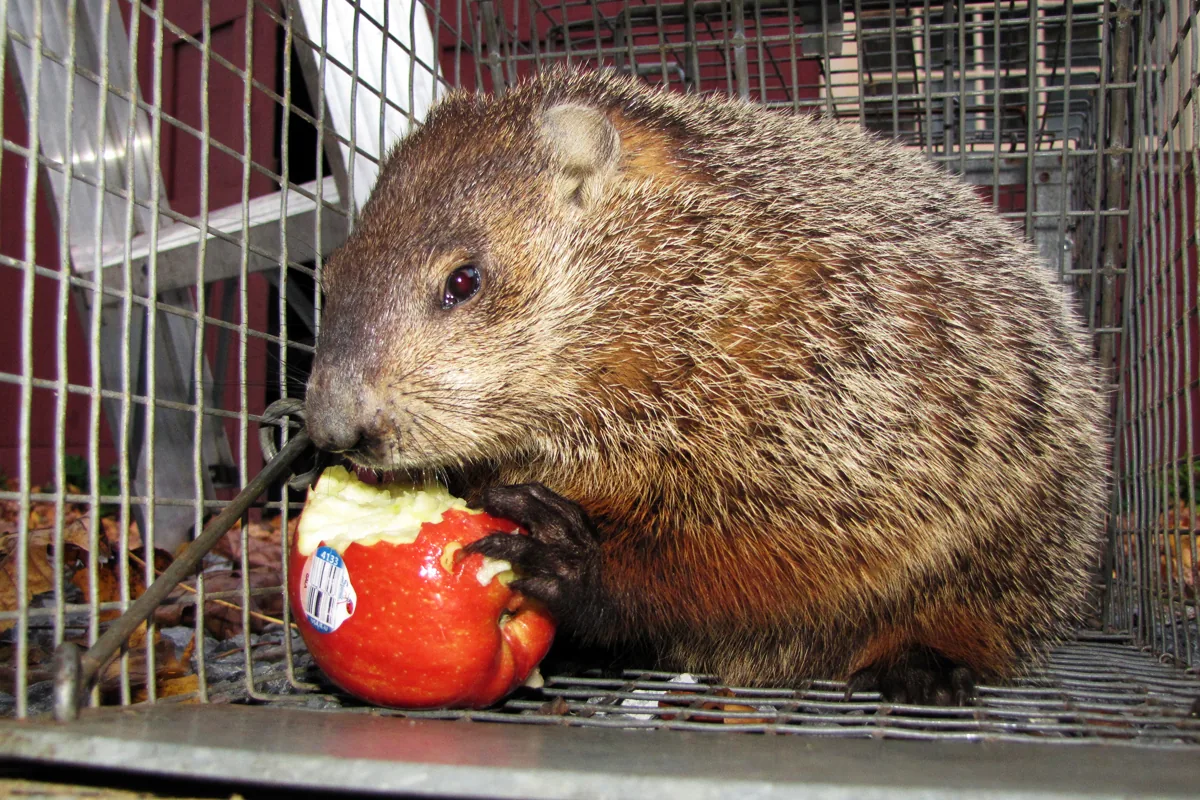
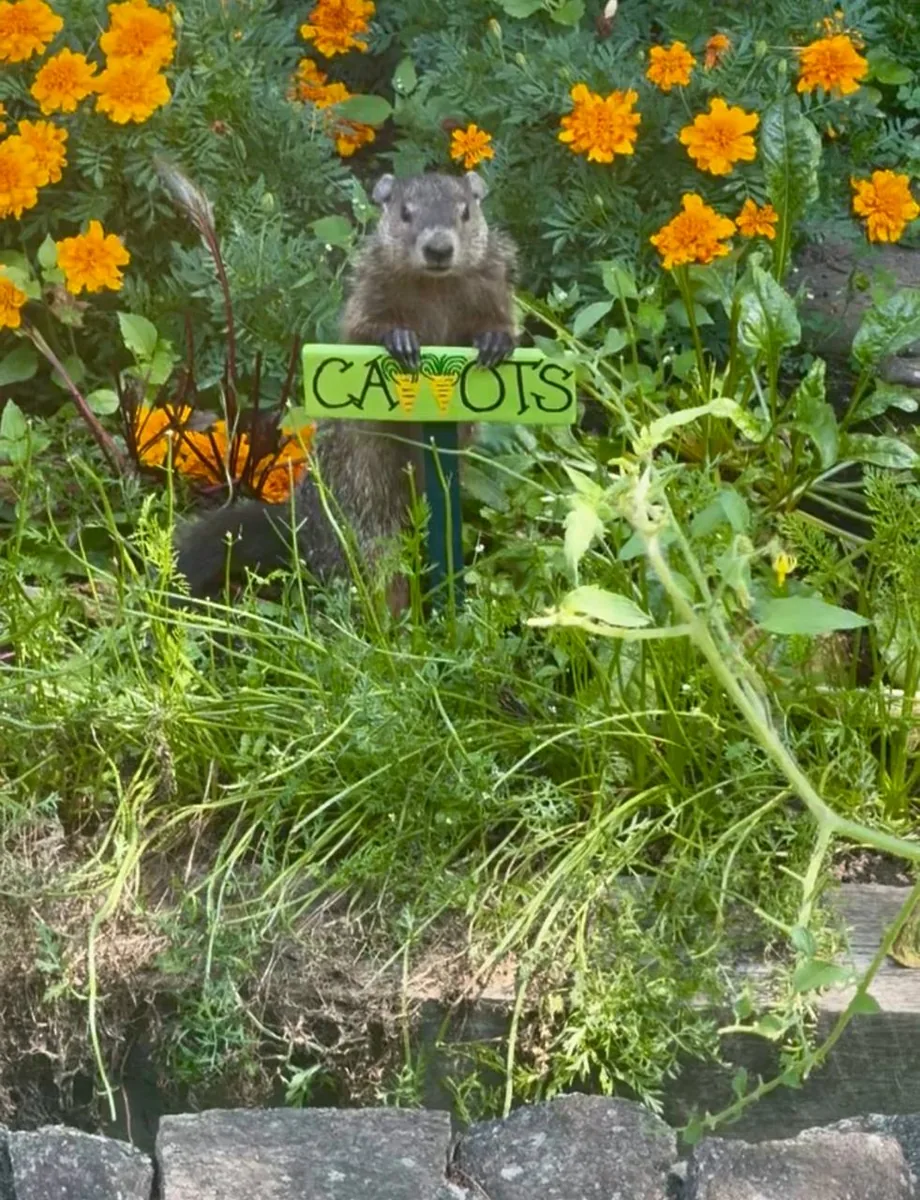
Groundhog burrows are large and complex, and are destructive to the areas they dig underneath. Foundations, decks, sheds, walls, and yards can all become compromised by their burrows if the problem isn't addressed early. Standard trapping methods are inefficient for catching groundhogs. And even after the groundhogs are gone, the burrows tend to attract more animals in the future. Wildlife Pros specializes in exclusion methods to protect these areas against burrowing. When possible we evict rather than relocate, as it's the more humane option. However, when trapping is required we utilize high efficiency methods that solve the problem quickly. Our exclusion work is backed by industry-leading guarantees.
"From start to finish, a great job as promised. Thank you Austin!"
— Lori Shanken
How We Work
Humane Groundhog Removal Process
Groundhog control begins at the burrow. We walk the property and chart the full layout. That means the main openings as well as any secondary openings hidden elsewhere. Every one of those openings has to be accounted for before a process is chosen. From there we decide which methods of exclusion and deterrents are possible, and choose between eviction and relocation. We never relocate or evict during baby season, as leaving groundhog babies behind in the burrows is inhumane and also attracts predators and scavengers to the property.
Exclusion and Prevention
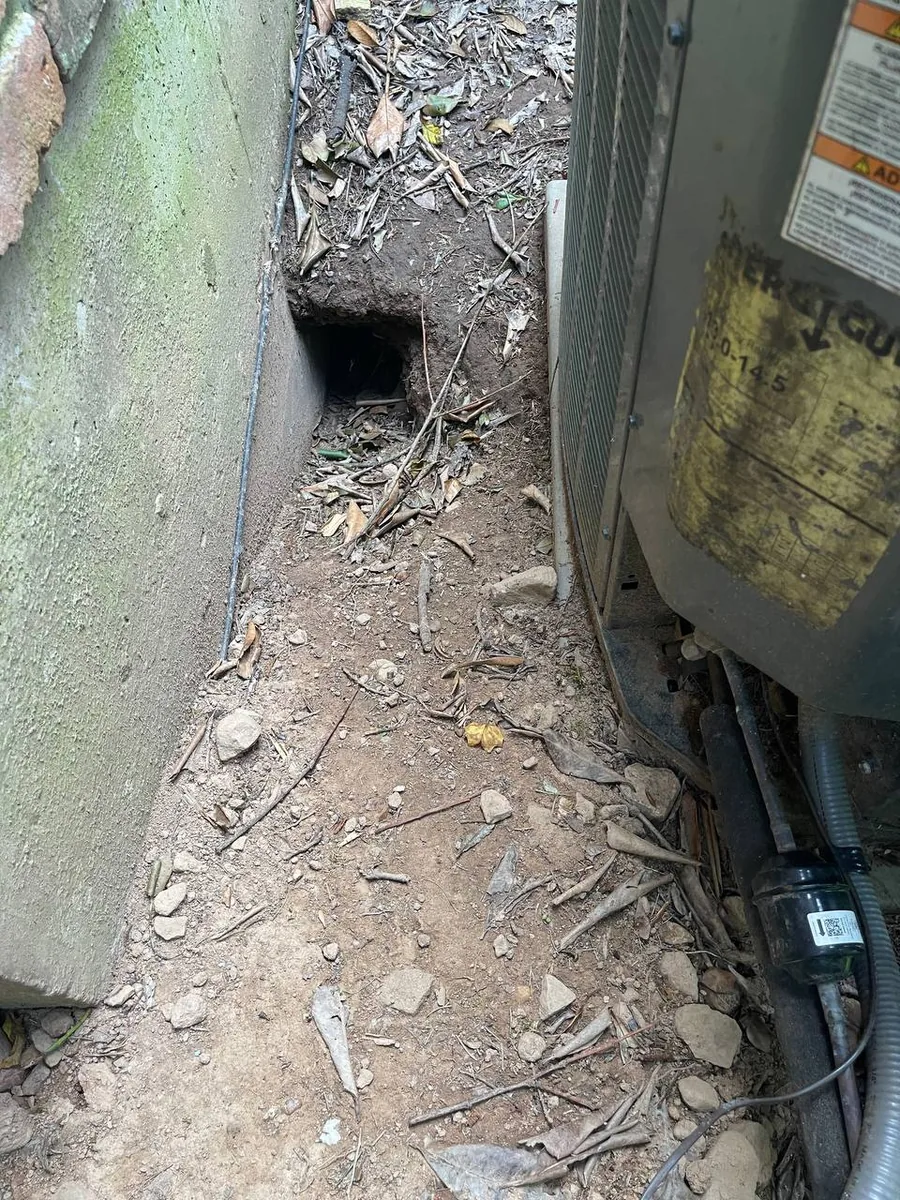
The first decision to be made on every job is whether permanent exclusion methods are possible. If the groundhogs are underneath a structure, such as a deck, porch, shed, or the foundation of the home, these structures can be sealed with permanent underground barriers and long-term guarantees.
Holes in the middle of the yard can't be excluded in the same way, as there is no structure to protect. For these areas a plan that utilizes deterrents and occasionally relocation is required.
Trapping and relocating the groundhogs is many companies' first option. But simply taking the groundhogs away will not solve the problem. Their burrows are large and complex and many other animals want to live in them. If you do not address the root cause, you will almost certainly get other animals moving into the burrows next, and they may be more dangerous or destructive than the groundhogs you started with.
When you begin with exclusion, you often don't need to relocate at all, and can simply evict the groundhogs from their homes instead.
Eviction Whenever Possible
Whenever the groundhogs are living under a structure that can be excluded, we attempt to solve the problem without relocation. We seal the majority of the structure, while leaving the current groundhog entrances undisturbed. Once completed, we can use various forms of eviction device that allow the groundhogs to get out but not back in. Oftentimes these are devices called “one-way doors”, but on some occasions cage traps are used to temporarily contain the groundhog while we finish working.
Once the groundhogs are all out of the structure, we seal the remaining areas. This method is the most humane, as many animals struggle to survive relocations even when the trapper does their best to bring them to hospitable areas.
Relocation When Needed
Some groundhog removal projects require the groundhogs to be relocated. This is the case when full exclusion is not possible, or when persistent groundhogs are doing large amounts of damage to the property and cannot be deterred.
In these cases we pay attention to every detail to not only make this process as efficient as possible, but also to make it as humane as possible. Trapping and relocation should never be the first option, but when required, it can be done in a way that stacks the odds of survival in the favor of the animals.
All traps are checked daily in person, or monitored via camera. This ensures that when an animal is caught it can be promptly picked up, reducing their stress and time in the cage. Captured groundhogs are taken to areas specifically chosen to maximize their ability to survive. Families are relocated to the same location to keep them together.
No-Bait Trapping
Many companies use traps with bait in them when catching groundhogs. This is highly inefficient, as most groundhogs don't care about bait, and are shy about going into traps. Very often these companies catch large quantities of off-target animals, and charge the homeowner for every single one of them. This leads to the unnecessary relocation of many animals.
Our traps mount over the burrow openings themselves, with no bait inside to attract other animals. We are only catching the animals living in those burrows.
This doesn't necessarily mean we will only catch groundhogs with this method. Groundhog burrows are attractive to many critters, and we often encounter burrows that have both groundhogs and other animals living in them simultaneously. Every one of these animals must be cleared from the burrows for deterrents and exclusion to be successful.
However, the difference with no-bait trapping is that if any animals besides groundhogs are captured, you can be certain that they were living in the burrows, and that you are not paying to solve your neighbor's wildlife problems.
Our Groundhog Work
Photos from Recent Jobs
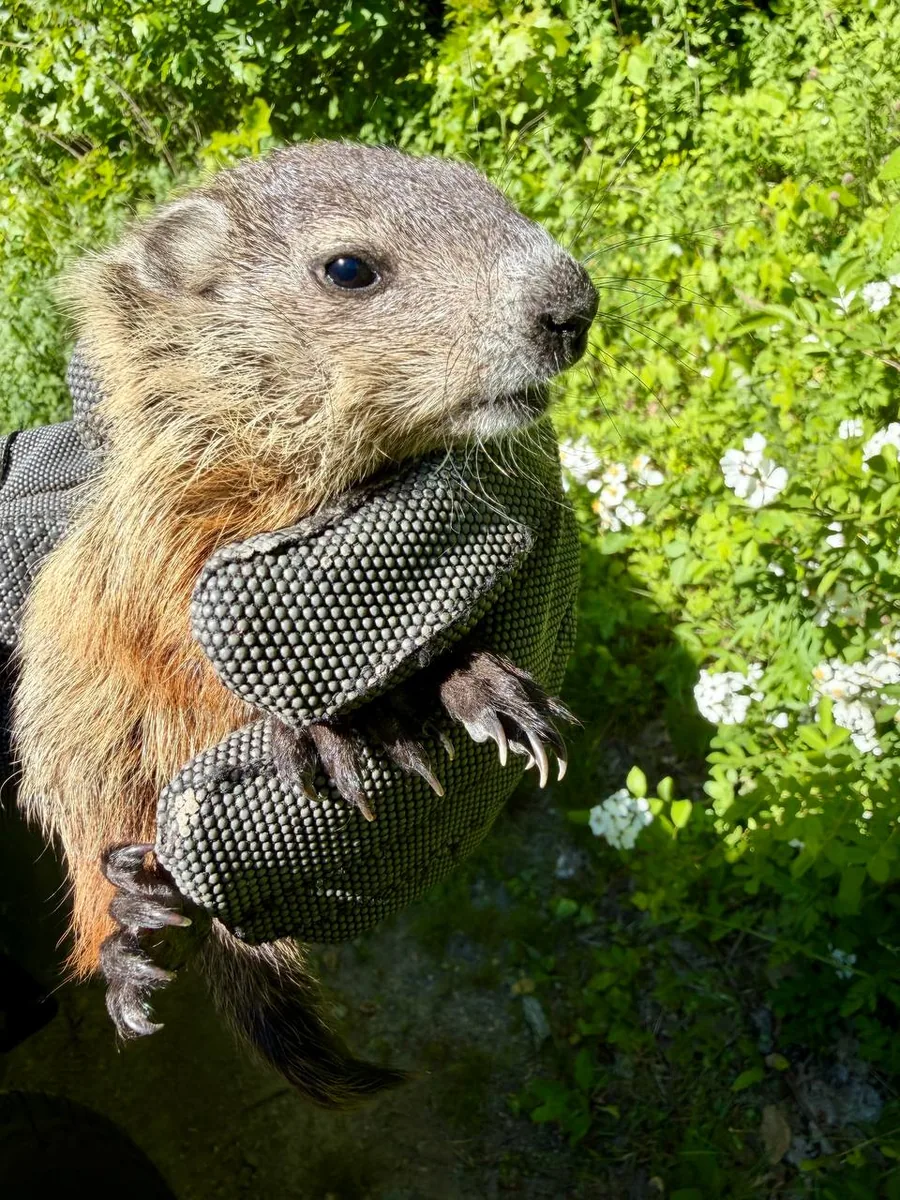
Baby groundhog rescued
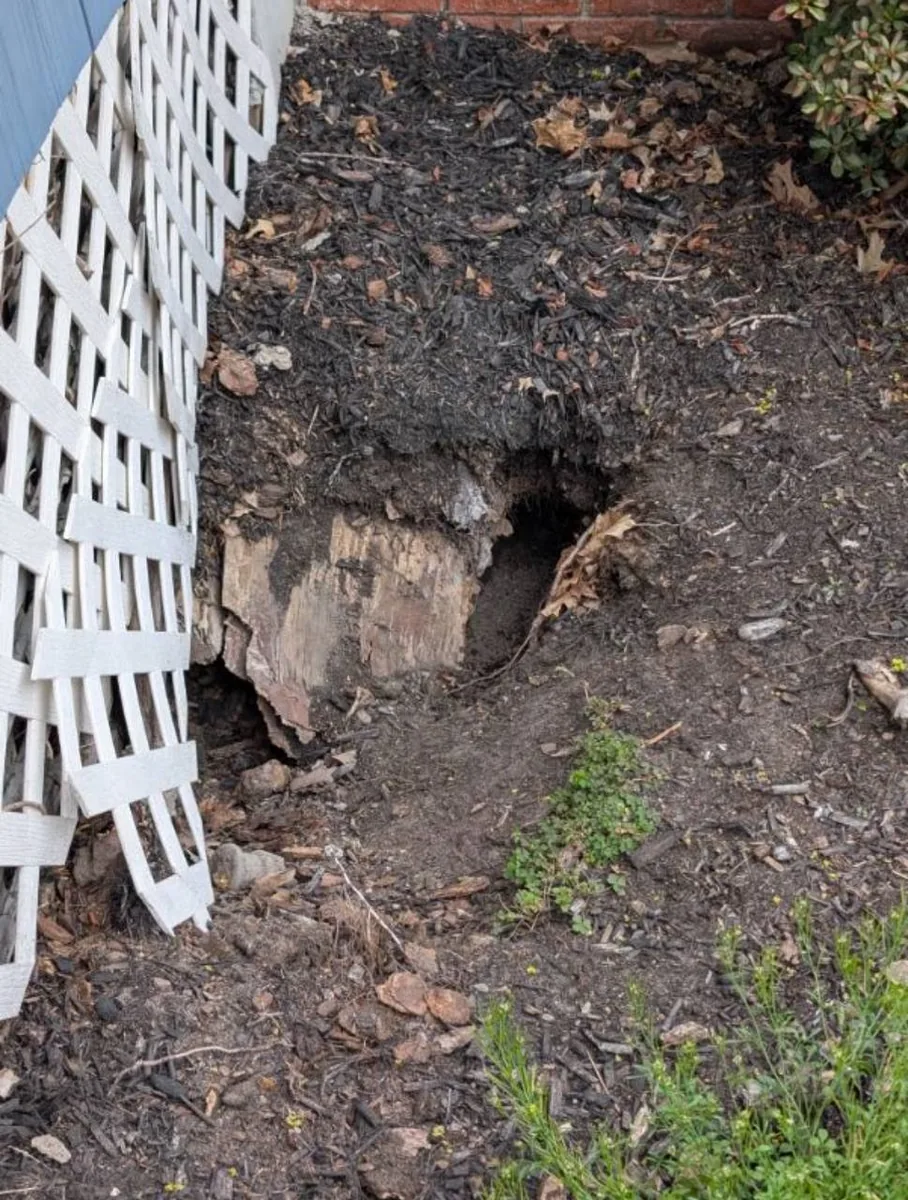
Groundhog burrow collapsing
Case Study: Groundhogs Under Deck
A homeowner called about groundhogs living under her front deck. The animals were visible daily in the yard, which she didn't mind. But the digging under the deck was vast and she feared that the structure would begin sinking if it wasn't resolved. To solve her problem we first reinforced her old lattice with new pieces that had painted wiring behind them. One section required new framing to properly stabilize the new lattice. Afterward, a large trench was dug around the deck and underground wire barriers were installed. The screws and sections of wire above ground were also painted. Finally, the groundhogs were evicted from the hole that we left in the rear corner. Upon completion the groundhogs made several attempts to dig back in but eventually gave up and moved on to a new location. They have not been back since.
Know Your Groundhogs
Tennessee's Biggest Squirrel
The groundhog (Marmota monax) goes by woodchuck, whistle pig, and land beaver, and it's the biggest member of Tennessee's squirrel family, with adults reaching 8 to 14 pounds. They keep daylight hours, busiest around sunrise and again toward evening. They're plant-eaters, putting away a pound or more of clover, garden crops, and ornamentals in a day.
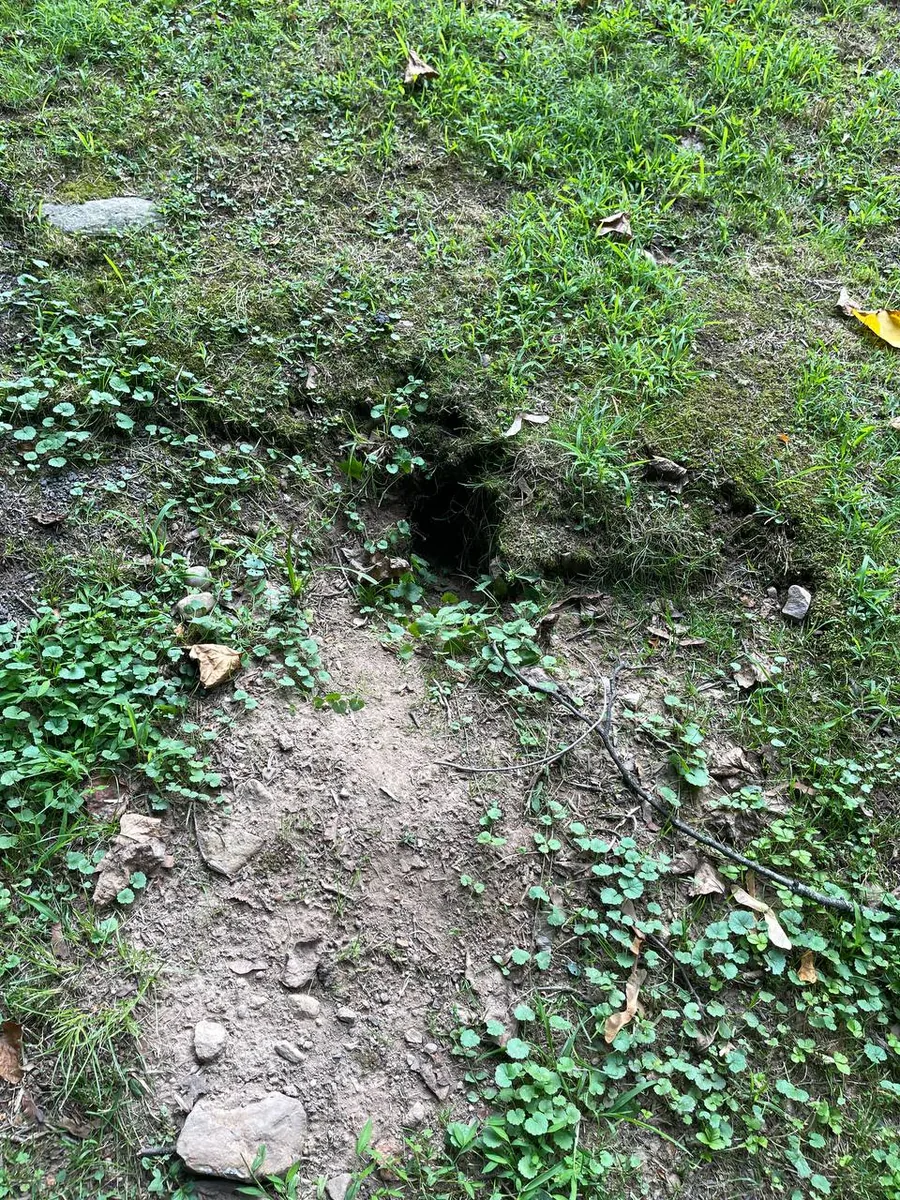
Their burrows typically have a main entrance flagged by a mound of fresh soil, one or more concealed escape exits, a grass-lined sleeping chamber, and even a dedicated waste chamber, all connected by tunnels that drop several feet below the surface and spread across a large share of a yard. Groundhogs are true hibernators, but Middle Tennessee's mild winters shorten the hibernation. Tennessee groundhogs often emerge earlier and den up later, which stretches both the damage season and the trapping calendar compared to northern states.
Emergence starts as early as February, with males immediately roaming to find mates. Litters of four to six arrive in late April and May, and the young need six to eight weeks before they can survive without their mother. This is the baby season we plan around. By midsummer the juveniles leave to dig burrows of their own, which is often when a second dirt pile appears in a yard that already had one.
Risks & Damage
Are Groundhogs Dangerous?
The primary concerns most homeowners call about are physical destruction to their structures, yards, and gardens, and fears about disease risks.
Burrow Damage. Groundhog tunneling removes the soil a structure stands on, and the hollow space that is left behind can cause sinking, cracks, and water intrusion. The risks tend to escalate each year as the young from that year build new burrows. Whether or not the burrows on your property will ever sink or lead to damage is an unknown. Sometimes they do, sometimes they don't. The longer groundhogs continue digging under structures, the more the odds shift against you.
Garden Damage. Groundhogs can destroy prized gardens within days or weeks. For homeowners with gardens we recommend scent deterrents and fencing, even if the groundhogs have been relocated, as attractive food sources make the risk of future groundhogs taking over the territory much higher. It is important that all deterrents be non-toxic, as poisons and other toxic deterrents are illegal, inhumane, and harm far more animals than just the groundhogs.
Disease and Attack Risks. The risks to humans from groundhogs are nuanced. Most groundhogs are harmless and keep to themselves. However, if a female groundhog has babies nearby or in the burrow, and believes you are approaching as a threat, then they will at times attack to defend their young. Also, any animal that has the capacity for rabies has the capacity for turning aggressive. It is always important to keep your distance from wild animals, despite how friendly they may seem.
Since groundhogs come from the rodent family, their risk of contracting rabies is lower than many mammals. However, as a large rodent that can more easily survive an attack from a rabid animal, their rabies risk is higher than other rodents. Many states label them as a rabies vector species, and put strict rules around relocations.
Long-Term Exclusion
Groundhog Prevention Techniques
Removal alone doesn't protect the structure. Good habitats attract new animals, and an established burrow is often taken over quickly, sometimes by an animal that's more dangerous than the groundhog was. The long-term answer is physical exclusion methods. We dig large trenches and install long-term barriers around foundations, porches, decks, sheds, and crawl space skirting in a way that prevents animals from digging down underneath them. These exclusion methods are designed to be permanent, and carry industry-leading guarantees.
For holes that do not qualify for permanent exclusion methods, such as holes in the middle of the yard, we offer a 3-step treatment process that can lower the risk of future animals greatly. This method involves scent deterrents inside the burrow, a physical barrier to the current entrances, and scent deterrents on the soil where the entrance used to be. Though this method is not as reliable as physical exclusion, it helps to lower the risk dramatically, especially if the homeowner continues to apply non-toxic odor repellents periodically to the soil.
One sequencing note: hold off on using any repellents and deterrents while the animals are in the burrows. Deterrents are meant to deter future problems. They are typically useless against active infestations, and can actually make the problem far worse by causing the animals to dig new holes and do further damage to avoid the deterrents. Also, never use any toxic repellents or poisons, as dead animals will attract predators to the burrows and many homeowners who do this wish they could have the groundhogs back instead of the animals they're now stuck with.
What Customers Say
Groundhog Removal Reviews
"Do not hesitate to call Austin! We had groundhogs living under the porch. During the time of day when the groundhogs were NOT under the porch, Austin and crew secured the space so that they could not get back in….ever. They did try, but to no avail! Austin also made sure that the wire barrier they installed would not detract from the look of our porch. From start to finish, a great job as promised. Thank you Austin!"
Lori Shanken
"We had groundhogs at my parents house and they had them removed within a week. Was very happy with service."
Suzi Kotler
Common Questions
Groundhog Removal FAQ
For exclusion work, a custom price is given depending upon the size of the structure and the amount of repair work it requires for permanent protection. Standalone trapping services involve a setup fee that covers the technology needed and the service calls to set it up, and a cost per animal captured. When trapping and exclusion are both required, a flat project rate will be given that includes both. Call for a free quote.
The preferred method is eviction and exclusion, which removes them from the current structures and puts physical barriers in place to prevent their re-entry. When this is not possible, professional trappers should be hired who can safely and humanely relocate them. However, it is important that you first consider why these animals are in your yard in the first place. If you have unprotected food sources, such as unfenced gardens, or overgrown landscaping, the odds of having new animals in the near future are very high. Make sure you do your best to remove food sources and use non-toxic deterrents after the animals are gone.
Call a licensed professional sooner rather than later. Dens under structures tend to do the most damage. These structures qualify for permanent preventive barriers and long-term guarantees. Ask every company you speak with how long their guarantee is for the structures they protect. Anything under 5 years is questionable.
Filling the holes with dirt is like someone coming and locking the door of your house. Whether you are inside or outside when it happens, you will unlock it. You will then continue living in your house, albeit a tad weirded out about what happened. Blockading the entry holes does nothing about the massive burrow that is currently underground, and the groundhogs will dig their way back in (or out) and go about their business as if nothing happened. If they are spooked they will dig another hole a small distance away to access the same burrow. It is fruitless and will not solve the problem on its own.
Burrows can drop several feet below the surface, and the horizontal network can run over 60 feet long. The tunnels have multiple chambers, including sleeping quarters, a nursery in the spring, and sometimes a separate waste chamber. That scale is why these burrows are highly attractive to other animals.
No, it's one animal with several names. Groundhog, woodchuck, whistle pig (for the sharp alarm call), and land beaver all refer to Marmota monax. If a neighbor says woodchuck and your search says groundhog, you're dealing with the same animal.
Never. We don't use poison on this or any job. Using poison endangers pets, children, and other nearby animals. A poisoned animal that dies somewhere inside the tunnel system often can't be retrieved. This leaves a terrible odor and attracts predators and scavengers to your property who will then move into the same burrows. Anyone who recommends poison or toxic deterrents is leading you dangerously astray. All wildlife must be handled humanely and in accordance with Tennessee Wildlife Resources Agency regulations.
More than 25 years of family experience across three regions of the country. Five stars on Google. Austin Jahner has been featured on CBS News in New York and ABC News in Philadelphia.
Craftsmanship
Methods created by a master carpenter. Lasting materials chosen for each home's aesthetics. Manufacturer-warranty of 50+ years on sealants.
Transparency
Up-front pricing. No additional costs or charges. Every client receives a detailed explanation of the steps required to solve their problem.
Guarantee
10-year written guarantee on our exclusion work. If an animal gets back in through something we sealed, we fix it free. Industry-leading guarantee length and scope.
Method
Humane eviction and exclusion is always the first option. Humane trapping when required. Mothers and their young stay together, orphans go to licensed wildlife rehabilitators. No poisons.